

Last updated on September 30, 2026 at 10:42 AM
TikTok Shop is turning returns into part of the social-commerce experience, while a Shopify merchant case shows how disciplined live selling can build revenue without paid media. At the same time, ecommerce teams are being pushed to connect creative, inventory, security and customer data more tightly.
The platform layer is still changing quickly – from Amazon giving advertisers more input into Alexa for Shopping to Meta expanding Muse into small-business workflows and Adobe rebuilding Marketo around orchestration. The useful question is not which AI feature is newest. It is which operating systems make commerce easier to trust, measure and execute.
| The Beecommercer Daily Buzz |
| Date: Wednesday, September 30, 2026 |
| Brought to you by: beecommercer.com |
For ecommerce teams, the most important changes today are happening after the click as much as before it. Returns, fulfillment, live selling, creative production, security and lifecycle marketing are moving closer to the center of growth strategy.
That shift matters because acquisition gets less valuable when the operating layer underneath it is weak. A creator can drive demand, but stock can be unavailable. A live stream can convert, but a painful return can erase trust. A new ad surface can create interest, but poor measurement can make the channel impossible to scale responsibly.
The signal across today's stories is simple: growth is becoming more connected to execution. The strongest teams will not just create more demand. They will make the entire path from discovery to purchase, return and repeat purchase easier to operate.
Let's get into it.
THE BIG STORY
TikTok Shop Is Making Returns Part of the Commerce Product
TikTok Shop is deepening its U.S. returns infrastructure through UPS-owned Happy Returns, giving participating shoppers access to no-box, no-label returns through a network of nearly 10,000 drop-off locations. The service is designed to reduce friction for buyers while helping sellers consolidate returns and move inventory back into the system faster.

The economics behind the change are important. Returns are not a small post-purchase nuisance: industry reporting puts total U.S. retail returns at roughly $850 billion in 2025, with close to one in five online purchases returned. Reverse logistics therefore affects margin, fraud exposure, customer service load and repeat-purchase behavior – not just warehouse operations.
For a social-commerce platform, that makes the returns experience especially strategic. TikTok Shop can make product discovery and conversion happen inside the same feed; adding a simpler returns layer reduces one of the trust gaps that can stop shoppers from trying an unfamiliar seller or buying from a creator-led recommendation.
| Operator takeaway: Treat returns as part of conversion strategy. Track return rate by SKU, creator, offer and acquisition source; identify the products creating the most avoidable return cost; and make the return experience visible before purchase for categories where fit, shade, size or compatibility creates hesitation. |
SOCIAL COMMERCE
Live Selling Works When Community Comes Before the Daily Sales Target
Shopify's profile of Skimpies offers a useful operating model for live commerce. Founder Bette Bentley committed to live selling on TikTok for about three hours a day for six months. The company went from roughly $6,000 in first-year sales to $570,000 over the following 12 months, without paid advertising or an agency, according to the case study.
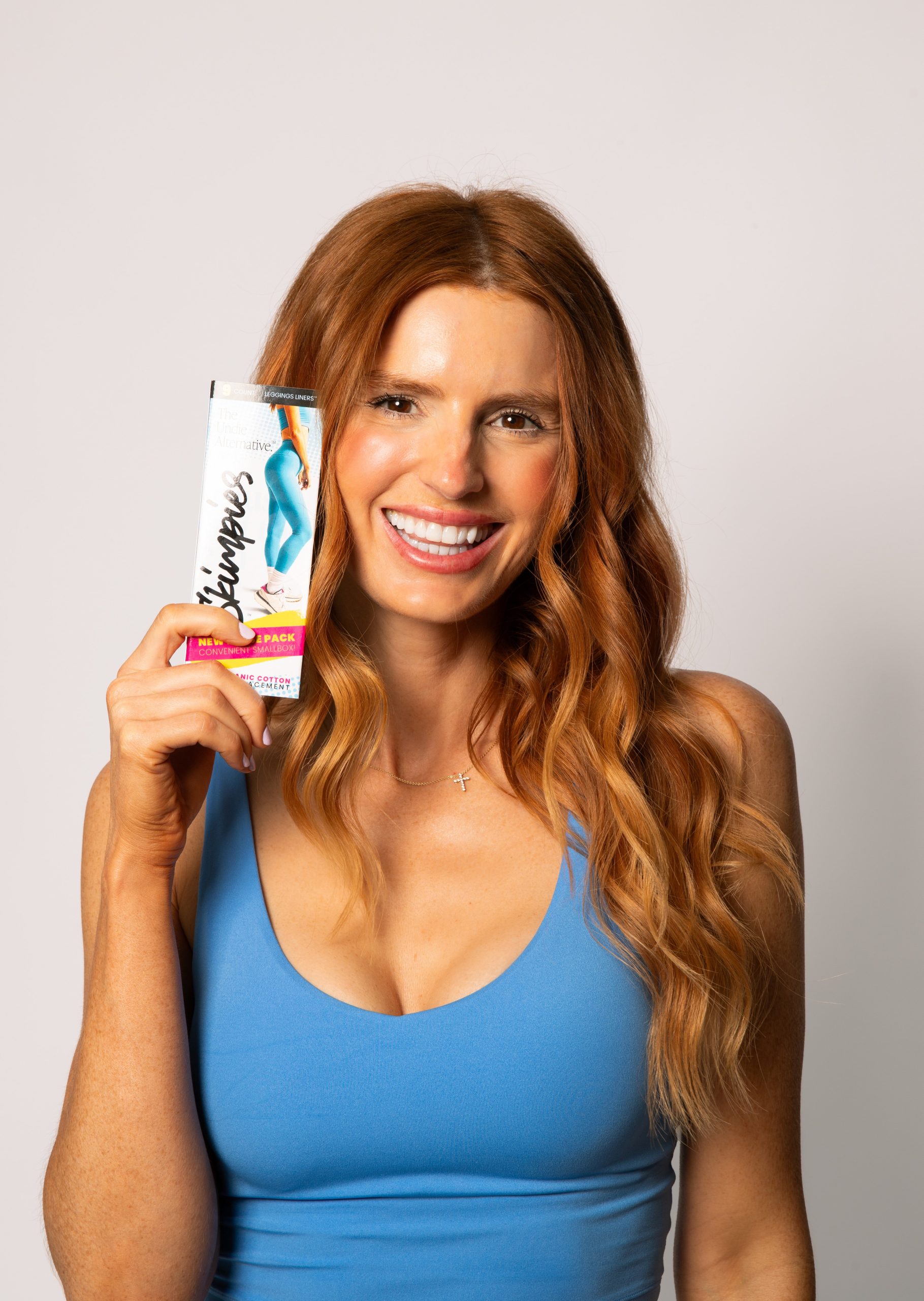
The more interesting lesson is not the headline valuation attached to the brand. It is the content discipline behind the growth. Bentley describes live selling as an open-mic process: test in public, learn from weak segments, keep what works and build a repeatable routine. The stream is treated as a community experience first and a transaction surface second.
That mindset helps explain why live commerce can outperform a sequence of polished campaign bursts. A recurring live show creates feedback on objections, product language, demonstrations and customer questions in real time. The same learning can then improve product pages, ads, email and creator briefs.
| Operator takeaway: Do not start live shopping with a revenue quota alone. Build a recurring format, define two or three repeatable segments, log the questions and objections that appear every session, and reuse those insights across product detail pages and paid creative. Consistency is the asset. |
CREATIVE OPERATIONS
Creative Is Becoming Part of the Commerce Operating System
Retail Insider's interview with ecommerce partner Neato argues that creative production should be connected directly to inventory, listings, pricing, marketplace performance and fulfillment. Its newly launched Shop Studio is designed around short-form product storytelling, creator education, affiliate content and live shopping, with performance signals feeding back into what gets produced next.

The useful point is operational rather than technological. More creative volume creates more opportunities for errors: the wrong pack size, an unavailable product, a promotion that has expired or a message that does not match the marketplace listing. A high-output content engine is only valuable when it stays synchronized with the commercial system around it.
That is particularly relevant on TikTok Shop and marketplaces, where the creative itself can function like a digital shelf. It affects product understanding, trust and the speed with which a shopper decides whether the offer makes sense.
| Operator takeaway: Connect creative briefs to live commercial inputs. Before production, include stock status, current price, promotion window, marketplace availability, product margin and the conversion objective. After launch, feed performance and customer questions back into the next creative cycle instead of treating content as a separate department. |
COMMERCE SECURITY
Ecommerce Security Is No Longer a Checkout-Only Problem
Appinventiv's ecommerce security guide highlights how the attack surface has expanded beyond the storefront. Modern commerce stacks connect APIs, cloud services, payment systems, third-party scripts, customer identities and marketplace integrations; a weakness in any one of those layers can turn into both a security incident and a fraud event.
The overlap between cybersecurity and fraud is especially important. Credential theft can become account takeover. API abuse can become unauthorized discounts or price manipulation. Third-party scripts can create payment-page exposure. PCI DSS 4.0.1 remains an important baseline, but compliance alone does not replace continuous monitoring, access control, vendor review and tested incident recovery.
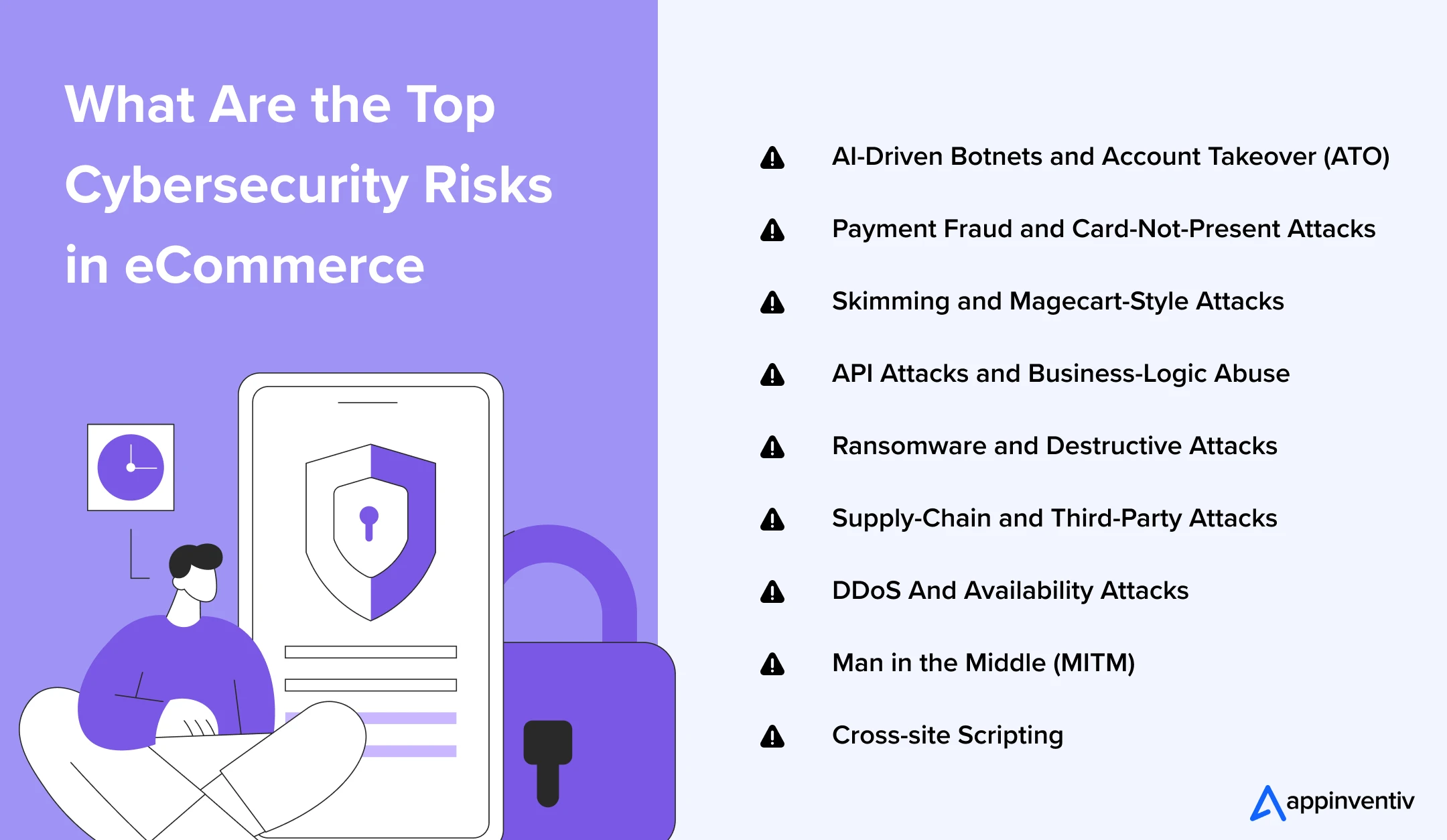
This is also a growth issue. Teams that add apps, pixels, checkout tools, feeds and automation quickly can increase revenue while quietly expanding risk. A stack that cannot explain who has access, what each integration can change and how incidents are contained is harder to scale safely.
| Operator takeaway: Create a quarterly commerce-stack security review that includes marketing technology, not just IT. Inventory third-party scripts and apps, review admin permissions, confirm MFA, test recovery procedures, check API access and define who can pause checkout, feeds or campaigns during an incident. |
MARKETING SYSTEMS
Marketo Is Moving From Campaign Automation Toward Continuous Orchestration
Adobe is expanding Marketo around three connected ideas: Coworker for Marketo Engage, Marketo Optimizer and Marketo Qualifier. Coworker lets teams build and maintain workflows or analyze data with natural-language instructions; Optimizer reasons across lead, account and buying-group context; Qualifier connects inbound qualification and outbound prospecting into one workflow.
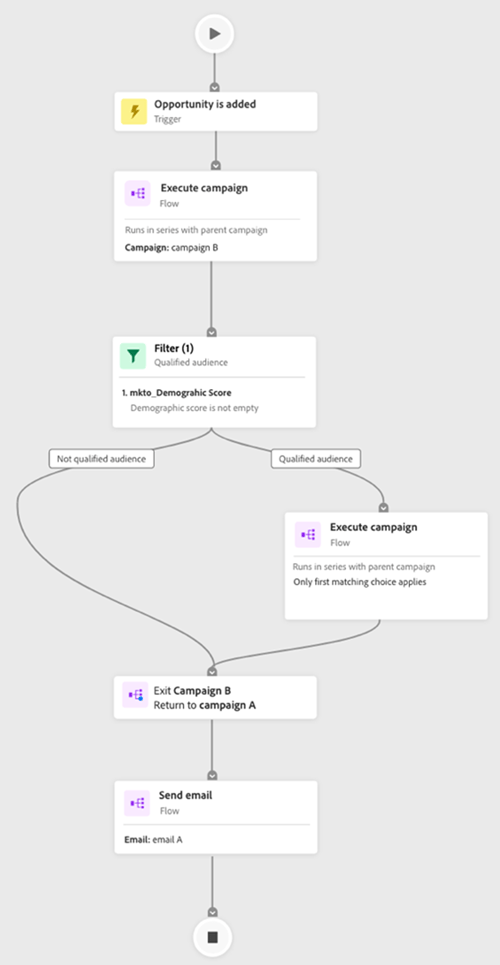
Adobe's framing is that B2B marketing should move from automation – executing predefined rules – toward orchestration, where the system continually decides what the next best action should be across marketing, paid media and business-development teams. Existing Marketo Engage customers can use the same underlying data foundation rather than rebuilding around a new CDP.
The first-party nature of the announcement means the performance claims should be treated as product positioning, not independent proof. Still, the architecture points to a broader shift: campaign tools are becoming customer-context systems, and the quality of the underlying CRM and lifecycle data will increasingly determine how useful the automation becomes.
| Operator takeaway: Before adding smarter orchestration, clean the inputs. Standardize lifecycle stages, buying-group roles, account ownership, source fields and conversion definitions. Automation amplifies whatever data discipline already exists – including the bad parts. |
CONTENT DISTRIBUTION
Google Discover Still Rewards Editorial Value More Than Formulaic SEO
Serpact's guide to Google Discover returns to a familiar but increasingly useful principle: write for a real reader first. The recommended structure is a clear thesis early in the article, context that explains why the topic matters, visible editorial contribution and headlines that create interest without becoming misleading clickbait.
That matters because Discover is a feed environment rather than a classic query-and-result page. The reader has not necessarily asked for the article. The content therefore has to earn attention quickly while still delivering enough context, evidence and originality to justify the click.

For ecommerce publishers, buying-guide sites and brand content teams, the lesson is to stop treating distribution as a by-product of keyword targeting. Strong Discover candidates often have a timely reason to exist, a clear point of view, original synthesis and a headline that communicates the practical payoff.
| Operator takeaway: For each new article, write one sentence answering four questions before drafting: what happened, why it matters now, who it affects and what the reader can do next. If the article cannot answer those cleanly, the topic probably needs a sharper angle before production. |
PLATFORM COMMERCE
Shopping Assistants Are Becoming Commercial Surfaces – but the Business Models Are Still Unsettled
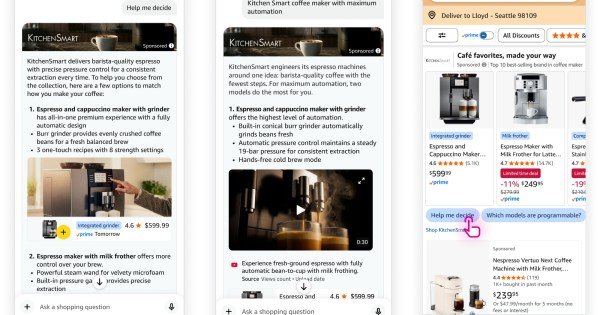
Amazon is giving advertisers more direct input into Alexa for Shopping through a format called Branded Conversations. When shoppers tap prompts surfaced in the assistant, participating brands can add information that helps explain product differentiation or how products work together, rather than relying only on catalog and storefront data.
Meta is moving in a different direction with Muse. CNBC reports that Muse for Small Business can connect with Meta business assets and third-party tools including Canva, Asana, Zoom, Intuit, Box and Slack, pushing the assistant closer to day-to-day business operations. Meta also has a distribution advantage because businesses already operate across Facebook, Instagram and its ad stack.
But the monetization model is not settled. Business Insider highlights a MoffettNathanson view that personal shopping agents may have fewer transaction opportunities than the hype suggests; its analysis estimates that, after stripping out payments where an agent adds little value, only a subset of a typical consumer's monthly transactions are plausible agent use cases. That makes advertising, subscriptions or transaction fees competing paths to monetization.
AdExchanger adds a useful caution: platform owners can manufacture reach for their own products, but scale does not automatically equal durable user demand. The same story also reinforces the importance of a human veto when automated systems behave in unexpected ways.
| Operator takeaway: Treat assistant-based commerce as a watchlist, not a budget mandate. Maintain clean catalogs, FAQs and product differentiation data so your brand can participate when relevant, but keep paid tests small until the platform can show reliable intent, reporting and incremental sales. |
AD CHANNEL WATCH
ChatGPT Ads Are Scaling Faster Than the Industry's Measurement Habits
Search Engine Land reports that ChatGPT advertising is expanding quickly, but advertisers are still working out how to evaluate the channel. The broader ad business has already reached a reported $1 billion annualized revenue run rate, and OpenAI has been rapidly adding the familiar infrastructure of a mature ad platform: self-serve buying, conversion measurement, audience tools, campaign pacing and more markets.

The strategic mistake would be to confuse platform growth with proven advertiser economics. Conversational ads sit inside a different decision environment from search results or social feeds, and the attribution path can be harder to interpret. Early demand may also produce attractive costs that change as more advertisers arrive.
For ecommerce operators, the channel is worth monitoring because users can be researching products, comparing options or asking follow-up questions before a purchase. But it should be evaluated against contribution margin and incremental demand, not novelty metrics or screenshots of sponsored placements.
| Operator takeaway: If you test ChatGPT Ads, isolate the experiment. Use a limited product set, consistent landing pages, clean conversion tracking and a holdout or matched comparison when possible. Report it separately from organic AI visibility so paid placement does not inflate your view of whether the brand is being recommended organically. |
THE SIGNAL
The Growth Stack Is Expanding Beyond Acquisition
Today's stories look very different on the surface: returns infrastructure, live commerce, cybersecurity, creative production, marketing automation and new ad surfaces. Operationally, they point in the same direction. Ecommerce growth is becoming a system problem.
The acquisition team cannot be separated from returns, inventory, security, content, CRM and customer experience as cleanly as it could in a simpler channel environment. Every new surface creates another handoff, another data dependency and another place where a weak operating process can erase the value created by marketing.

| Operator takeaway: Pick one cross-functional friction point this week – returns, stock accuracy, creator-to-product handoff, lifecycle data, third-party access or content approvals – and assign one owner plus one measurable service level. The biggest growth wins may come from removing operational drag rather than adding another channel. |
The Beecommercer Team