
Last updated on October 30, 2026 at 12:03 PM
The competition in grocery commerce now reaches well beyond delivery. Platforms also shape which products appear in search, which sponsored placements influence a basket, who manages the customer relationship at checkout, and how conveniently the order reaches the shopper. DoorDash's proposed acquisition of Instacart brings these decisions into a single strategic debate. The deal has not closed, and the companies do not yet operate as one. Even so, the proposal shows where major commerce platforms see their next opportunity.
THE BIG STORY | GROCERY DELIVERY MEETS RETAIL MEDIA
The Real Prize Is the Relationship With Grocery Shoppers
What actually happened
On October 29, DoorDash and Instacart announced a definitive agreement under which DoorDash would acquire Instacart in a transaction with an equity value of approximately $17 billion. The announced consideration is $65 per share, a 26% premium to Instacart's October 22 closing share price. The companies expect closing in late 2027 or the first half of 2028, subject to shareholder and regulatory approvals. Until the deal closes, the two companies will continue to operate separately. Retailers should not assume that a shared advertising network, integrated merchant dashboard or unified grocery service is already available.
DoorDash brings a local delivery marketplace and an extensive logistics network. Instacart runs a consumer grocery service and supplies retailers with online storefronts, fulfillment technology and advertising tools. DoorDash says it plans to keep Instacart's app, brand and enterprise products after closing, while exploring how to connect retailers' storefronts with local delivery and a wider retail-media offering. Whether those plans work will depend on closing the deal and carrying out the integration.
Image source: DoorDash
Why the digital shelf matters more than the delivery route
A grocery order gives platforms several chances to influence a sale. Shoppers choose a store, search for a product, compare brands, add items to a basket, accept a substitution and select a delivery time. A platform involved in several of those steps can make shopping more convenient and shape the marketing opportunities available to suppliers. It can also become the interface shoppers associate with the store, rather than remaining a delivery service behind the retailer's brand.
Retailers could benefit from a smoother route from product discovery to fulfillment, especially when customers expect local stock and fast delivery. But they need to answer a few practical questions. Who manages the customer account and obtains consent? Who sets search rankings, promotional placements and substitution rules? Can the retailer tell whether a promotion brought in a new household or discounted an order it would have received anyway? A larger network makes those decisions more important; it does not answer them.
Retail Media Could Be the Bigger Prize
Delivery can dominate the deal headlines, but advertising may be just as important. Brands compete for shelf space in stores. Online, that competition takes place in search rankings, sponsored slots, recommendations and each retailer's merchandising rules. Instacart already sells advertising in this setting, making its capabilities relevant to DoorDash's longer-term plans. A wider network of shoppers and retailers could give brands more opportunities to influence purchases. Whether the ad products can actually be connected will depend on execution, contracts and regulatory conditions.
The revenue figures need careful handling. Grocery Dive reports Instacart third-quarter revenue of $331 million under “advertising and other.” That category is not pure advertising revenue, and it is not a forecast for the combined business. More ad inventory does not automatically create more demand. Its value depends on reaching new or high-value shoppers, preserving retailer contribution margins, and separating sales caused by an ad from sales that would have happened without it.
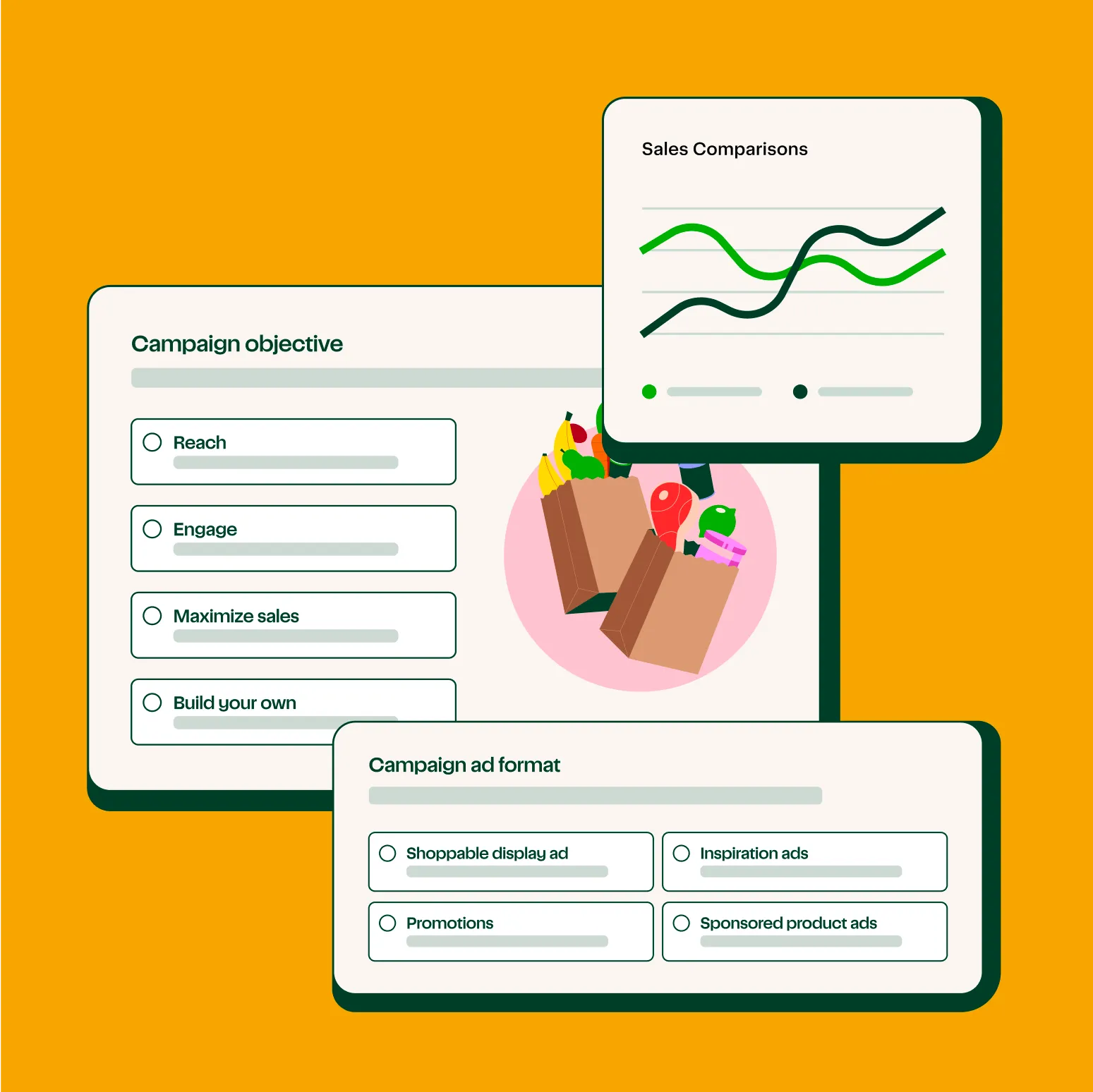
Image source: Instacart
What the Platform, Retailers and Brands Each Want
The platform wants more transactions and more ways to earn money from shopping activity. Retailers want efficient orders, accurate stock information, returning customers and room to negotiate. Packaged-goods brands want profitable visibility, reliable product data and proof that promotions change what people buy. These interests overlap, but they are not identical. A recommendation that earns more for the platform may not be the most profitable choice for the retailer. A sponsored placement may improve a brand's reported sales by moving purchases from another channel, without increasing demand for the category.
The deal is therefore about who runs the infrastructure of grocery commerce, not just who delivers the order fastest. If it closes, the key details will be in retailer contracts, data-sharing rights, placement rules and whether smaller brands can buy visibility on reasonable terms. Retailers and brands should wait for those terms before building budgets around a hypothetical combined advertising audience.
What Retailers, Brands and Performance Teams Can Do Now
Retailers can start by mapping who manages the customer relationship along each ordering path. Record where shopping starts, which account the customer uses, whose privacy notice applies, what customer-level data reaches the retailer, and whether the retailer can contact that person after the purchase. Compare orders through your own site, third-party grocery apps and delivery integrations using the same margin calculations. A channel can generate strong gross sales and still do little for retention if it leaves you without customer relationships or repeat-purchase signals.
Brands should establish a baseline before any platform changes arrive. Track organic and paid placements separately. For each retailer or retail-media network, record total spend, promotional funding, new-buyer metrics, category share and contribution to profit. Where the platform supports credible holdout groups or comparable markets, test whether advertising creates additional sales. That history will help you judge a future pitch for combined reach: does the new inventory bring in additional shoppers, or does it sell access to demand you already reach?
Performance teams should decide now what every channel must report. What share of orders comes from people buying the brand for the first time? What share of attributed revenue relies on coupons or placement fees? How does reporting account for returns, substitutions and out-of-stock products? Can prices and availability be kept up to date? Those answers are a better basis for deciding where to spend than a promise of cross-network scale. They will remain useful even if the deal falls through.
What to watch next
Watch for regulatory decisions, shareholder approval, changes to the closing timetable and any commitments to retailers or advertisers. If the deal closes, assess each actual product as it arrives: shared commerce tools, campaign reports that work across platforms or new data agreements. Integration could improve efficiency and measurement, but the announcement does not show that either benefit has been achieved. Build a reliable baseline now so you can evaluate those claims when there is a product to test.
TREND WATCH | WHAT ELSE MOVED
AI shopping: clear labels, new markets, unresolved economics
Google is testing clearer separation between sponsored and organic shopping results in AI Mode, while its October 28 announcement expands AI Mode ads to additional countries. The labels are part of an experiment, not an interface everyone sees. Merchants will gain more from keeping product feeds accurate and measuring results against their margins than from predicting where the next ad badge will appear.
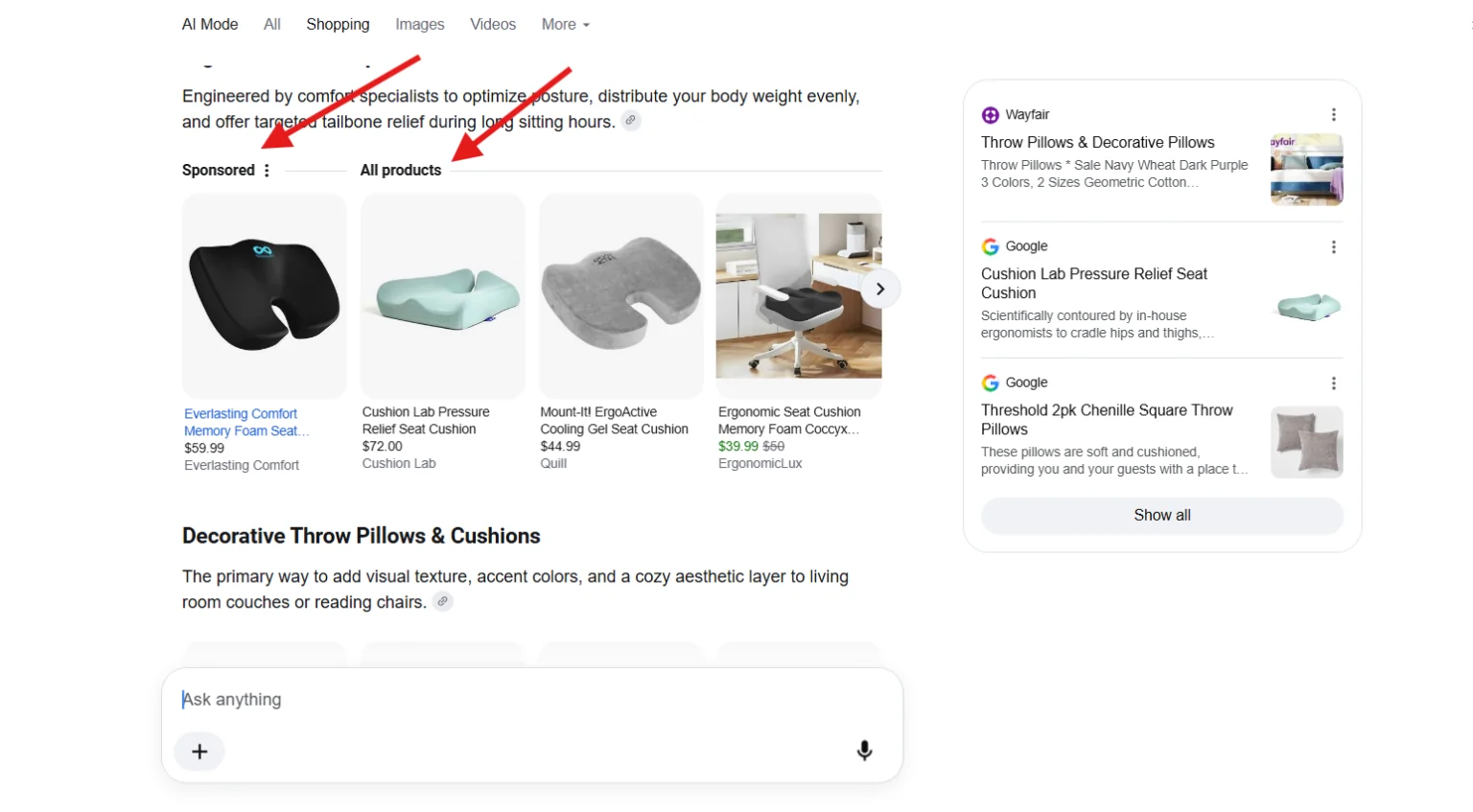
Image source: Google / Sachin Patel, via Search Engine Land
Amazon: Prime Day Timing Complicates the Growth Comparison
Amazon reported strong third-quarter AWS sales growth but only a modest year-over-year increase in its online-stores line. The main Prime Day event moved into the second quarter in most markets, making direct comparisons with 2025 harder. Compare periods with similar promotional calendars and use Amazon's reporting definitions. A single revenue line does not measure the health of the entire marketplace. The Information also covers the results behind a paywall.
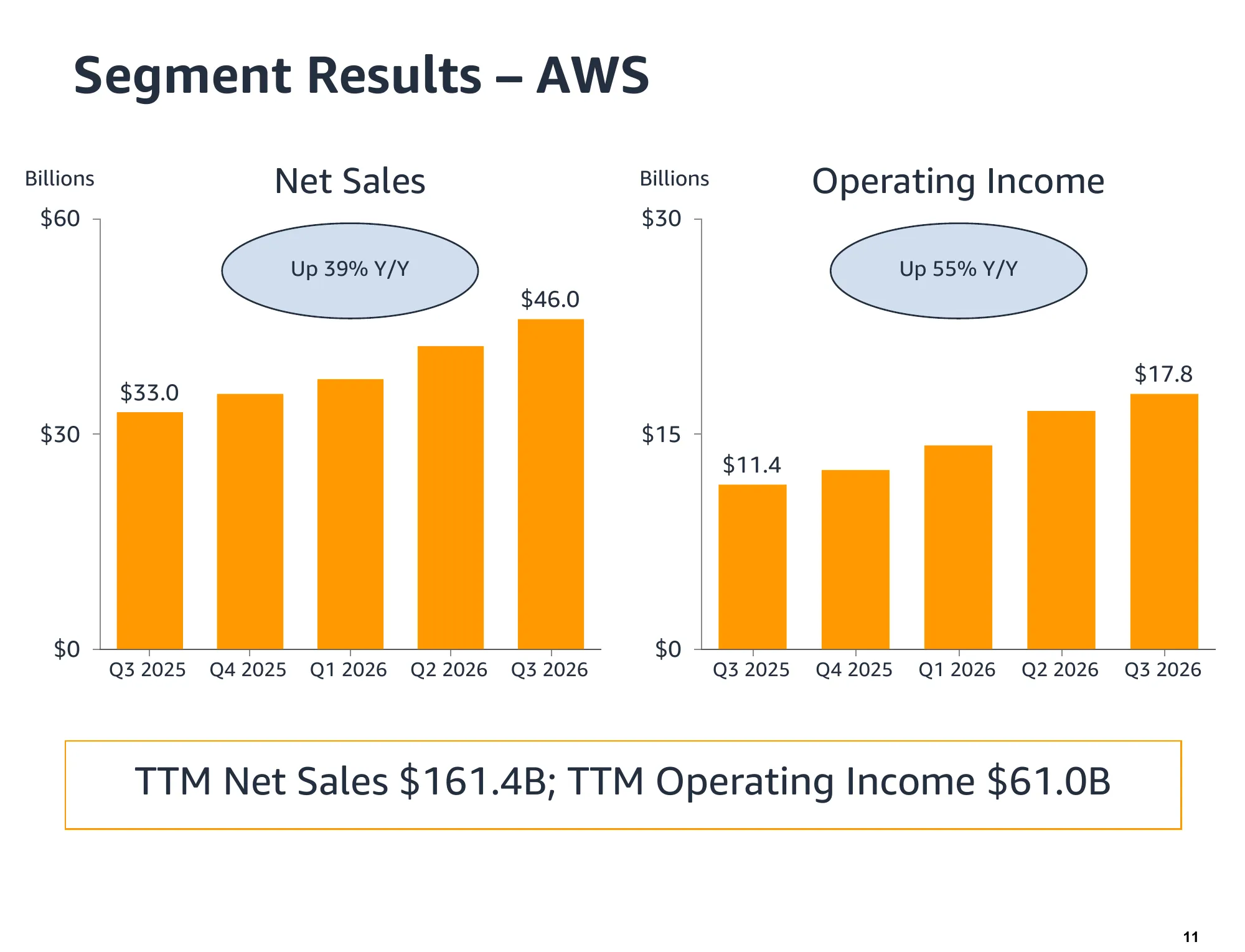
Image source: Amazon
SEO: quality is still the durable advantage
Google's John Mueller cautioned against producing large quantities of nearly interchangeable, easy-to-generate content just because a tactic appears to work now. Separately, Google recommends helpful custom 404 pages for unavailable URLs. For ecommerce teams, the practical job is to publish useful evidence about products, redirect only where a genuine replacement exists, and give visitors a clear way forward when a page is gone.
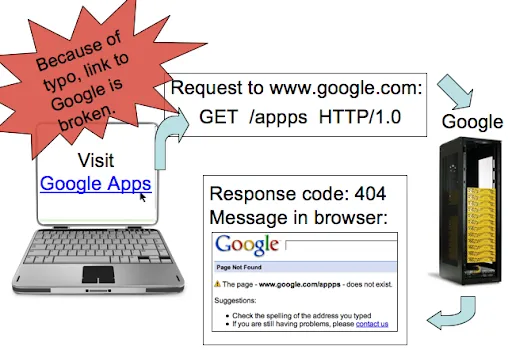
Image source: Google Search Central
AI Advertising Tools: Keep Approvals in the Workflow
JumpFly's October AI advertising roundup covers agent workflows, tests and planned product changes at different stages of release. It should not be read as five tools that every advertiser can already use. A practical starting point is to let AI flag unusual spend, check tracking and prepare research drafts, with a person reviewing its work and approving significant account changes.
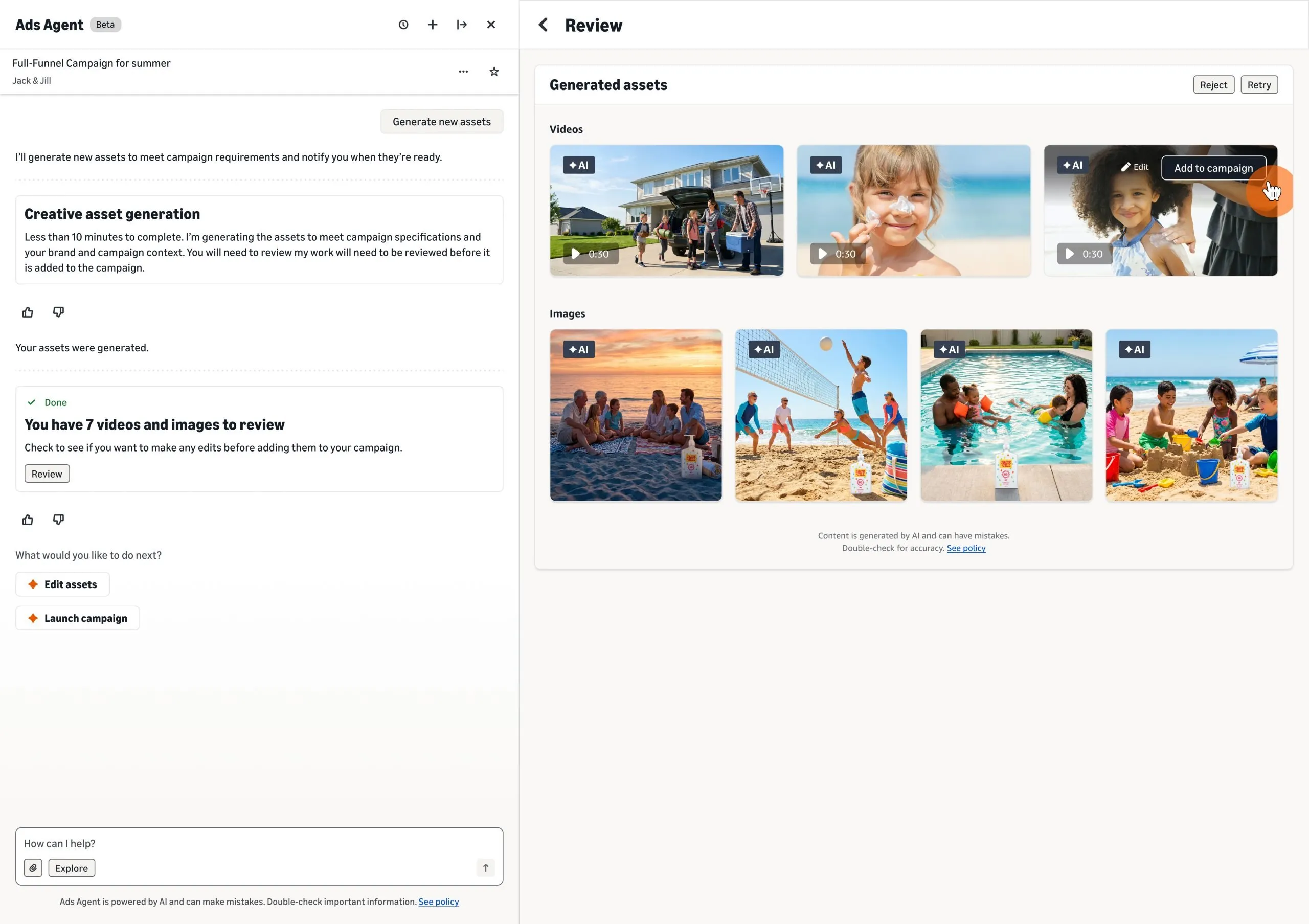
Image source: Amazon Ads
THE OPERATOR'S CLOSE
Keep Your Customer Strategy in Your Own Hands
Grocery delivery, AI shopping and automation make commerce easier to access while giving intermediaries more influence over the purchase. Retailers and brands need to understand what each channel adds to their business. Keep product information accurate, respect customer permissions and measure incremental profit. Interfaces will change quickly. Those operating principles should hold.
The Beecommercer Team