

Last updated on September 29, 2026 at 10:21 AM
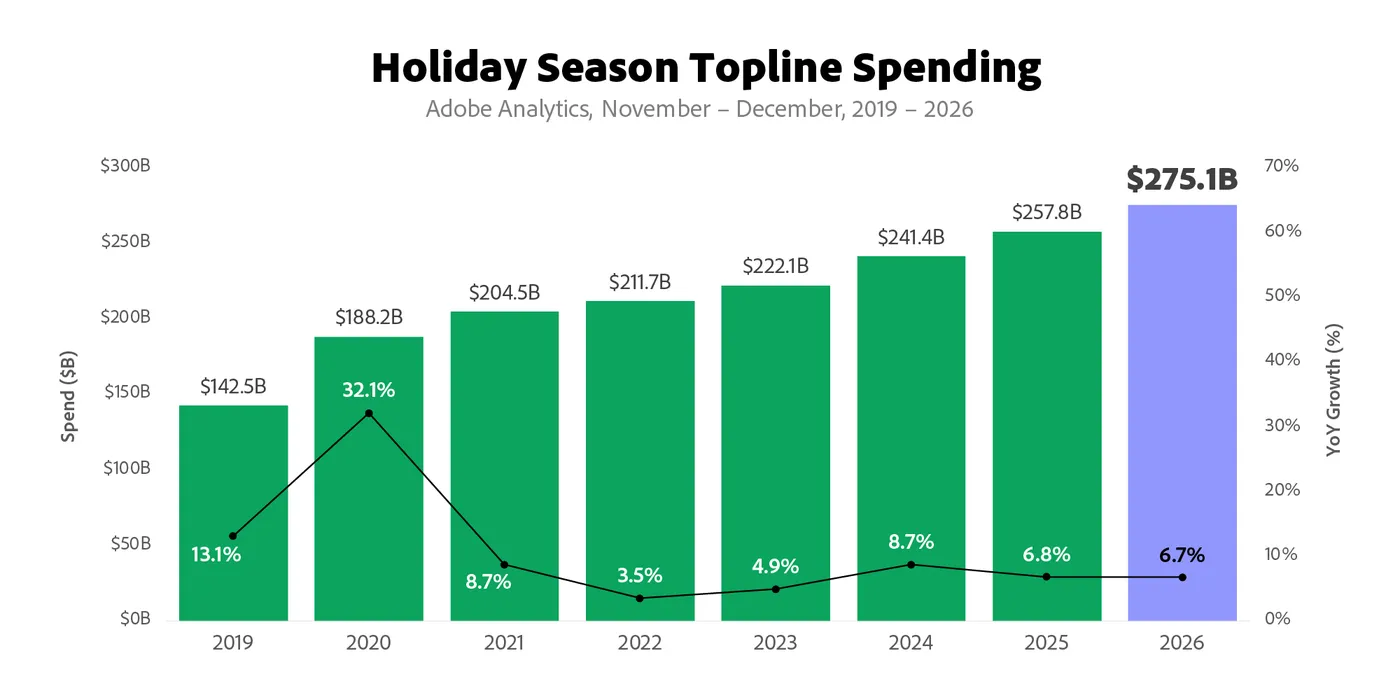
Adobe expects U.S. holiday ecommerce to reach $275.1 billion, while Europe’s B2C ecommerce market has already passed €900 billion. The growth is real, but shoppers are leaning harder on value, availability and convenience.
At the same time, Meta is pushing advertisers toward genuinely different creative concepts, Google is compressing video production into Asset Studio, and marketplace-heavy categories such as beauty are showing how discovery and purchase increasingly happen on different channels.
| The Beecommercer Daily Buzz |
| Date: Tuesday, September 29, 2026 |
| Brought to you by: beecommercer.com |
The useful signal today is not that ecommerce is still growing. It is that growth is becoming more operationally demanding. Holiday shoppers are price-sensitive, deal calendars are starting earlier, marketplaces are gaining power in product discovery and availability, and performance platforms want a wider range of creative inputs.
That combination changes what a strong Q4 plan looks like. Media efficiency still matters, but so do inventory readiness, promotion timing, product availability, creative breadth and the ability to keep a brand consistent while producing more assets.
For ecommerce teams, the question is less “Which channel wins?” and more “Can the business stay coherent as shoppers move between search, social, marketplaces, brand sites and stores?”
Let's get into it.
THE BIG STORY
Holiday Ecommerce Is Growing – but Value Is Doing More of the Work
Adobe Analytics expects U.S. online retail sales between Nov. 1 and Dec. 31 to reach a record $275.1 billion, up 6.7% year over year. Cyber Week is forecast to generate $47.5 billion, up 7.4%, while Cyber Monday is projected to pass $15 billion in online sales. Black Friday is expected to grow faster, rising 9.2% to $12.9 billion.
The more important behavioral signal is what shoppers plan to buy. Adobe expects consumers to use holiday discounts not only for gifts but also to stock up on essentials. During Cyber Week, personal hygiene sales are projected to run 150% above average September levels, clothing basics 210% higher, baby products 113% higher, pet products 93% higher and household cleaning products 49% higher.
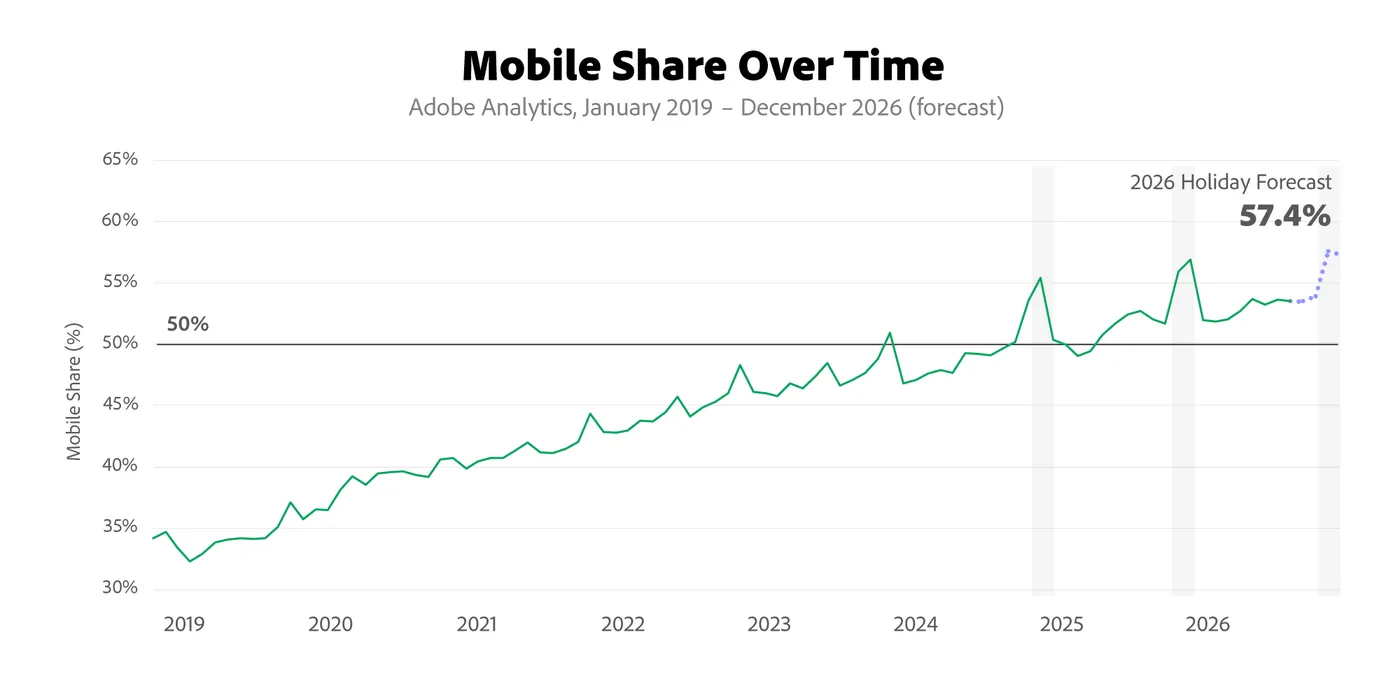
That makes the holiday calendar more of a value event than a pure gifting event. Retailers also have to manage an earlier promotion cycle: Adobe expects October online sales to rise 8% to $95.8 billion, helped by Prime Big Deal Days becoming a broader industrywide discount moment. Mobile is expected to account for 57.4% of seasonal ecommerce spend, while buy now, pay later is forecast to reach $21.3 billion.
Europe tells a similar growth story at a different stage of maturity. The 2026 European E-commerce Report says B2C ecommerce turnover reached €911 billion in 2025, up 7% nominally and 4% after inflation. Southern and Eastern Europe grew fastest, while Western Europe remained the largest region. The report forecasts total European B2C ecommerce turnover of about €961 billion in 2026.
| Operator takeaway: Treat Q4 as a promotion-and-inventory operating plan, not just a media calendar. Separate gift demand from replenishment demand, model October and Cyber Week inventory independently, and make sure mobile checkout, financing messages and product availability are ready before the biggest discount windows begin. |
CATEGORY SHIFT
Beauty Shows Why Discovery and Purchase No Longer Happen in the Same Place
A new Australian beauty ecommerce report from ecommerce accelerator Pattern, distributed through PR Newswire, argues that online marketplaces now generate roughly as much quarterly beauty revenue as the country's major specialist beauty and health retailers combined. This is vendor-sponsored market research, not an independent market census. The report estimates marketplace beauty sales at about A$200 million in Q4 2025, compared with A$199.3 million for specialist retailers including Mecca, Sephora, Adore Beauty and Chemist Warehouse.

Amazon is the clearest pressure point in the report. Pattern estimates that Amazon accounted for 19.9% of Australia's online beauty market, while 71% of surveyed online beauty buyers intend to purchase there in the next 12 months. More than four in 10 said they would consider switching to a competing brand if their preferred product was unavailable on Amazon.
Discovery remains more fragmented. The report says 47% of beauty buyers are more likely to purchase after a creator recommendation, yet when consumers discover a beauty product through social media, 39% say they are most likely to buy from a retailer or brand website and 32% from Amazon. In other words, the channel that creates demand does not necessarily own the transaction.
| Operator takeaway: Map discovery and purchase separately. For categories influenced by creators, do not judge social content only by last-click sales. At the same time, monitor marketplace availability, price parity and stockouts because convenience can override brand loyalty when shoppers are ready to buy. |
CREATIVE PERFORMANCE
Meta Wants Different Ideas, Not Just More Versions of the Same Ad
Marketing Brew reports that Meta is giving advertisers more explicit guidance on creative diversification. Agency executives said the platform may treat ads with the same visual structure or opening hook as fundamentally similar, even when text or minor execution details change.
The practical implication is that creative volume alone is not the goal. Advertisers are being encouraged to mix video and static formats, change hooks, vary tone and messaging, and give the system genuinely different concepts to work with. Meta says the guidance is outcome-based rather than tied to any single ranking model, but the direction is clear: creative has become a major targeting signal inside increasingly automated delivery systems.
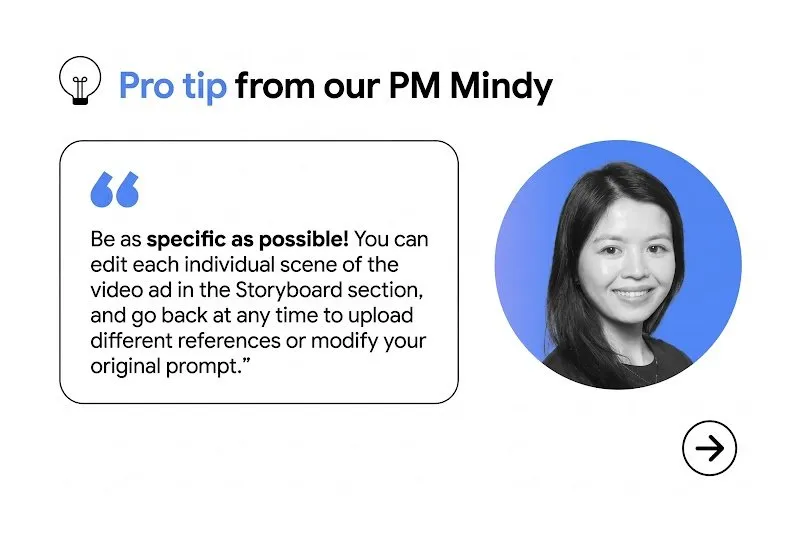
Google is moving in the same direction from a production angle. Its first Creative Drop for Gemini Omni in Asset Studio shows advertisers how to upload brand guidelines, product shots, URLs and briefs, generate multiple narratives, edit storyboards scene by scene and output vertical, horizontal and square video variations. Google says the tool can use brand fonts, colors, logo rules and visual references to keep generated assets closer to an advertiser's identity.
| Operator takeaway: Build a creative system around distinct concepts, not superficial variants. Define a small set of customer motivations, proof types and visual directions, then create format variations inside each. Keep a reusable brand-reference pack so faster production does not turn into inconsistent production. |
BRAND RISK
Faster Creative Cycles Make Pre-Launch Review More Valuable
Creative Bloq's review of several 2026 advertising controversies highlights a different side of the push for more content: campaigns can move from attention to backlash very quickly. The examples range from accidental associations and context failures to deliberately provocative creative designed to force a brand into public conversation.
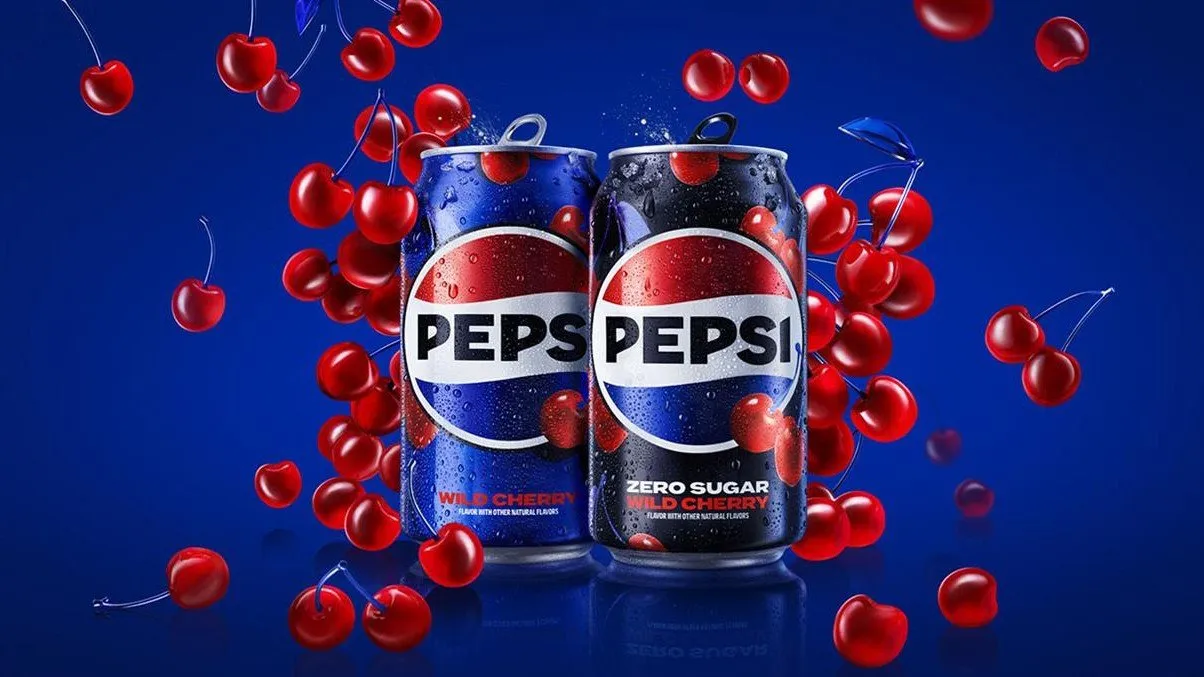
The cases are not equivalent, and the article itself is commentary rather than a performance study. But the operational lesson is useful. When teams are producing more ads, more formats and more creator content, they also need a faster review process for cultural context, visual ambiguity, safety, legal risk and platform policy.
| Operator takeaway: Add a lightweight red-team step before high-reach creative launches. Ask what the ad could mean outside the intended context, whether the visual still works without the reference the creative team assumes, and what the brand would do if the asset is challenged publicly within hours of launch. |
CREATOR OPERATIONS
Creator Marketing Is Becoming a Workflow, Not Just a Relationship Business
AdExchanger profiles Upfluence's shift toward a more automated creator-marketing operating model. Its Jaice system supports tasks ranging from campaign briefs and creator discovery to outreach and rate negotiation, using historical collaboration data and public brand information to guide decisions.

The bigger point is not whether one platform can automate creator marketing end to end. It is that creator programs are becoming structured enough to be treated like a measurable operating channel. Brief quality, creator fit, pricing history, rights, deliverables, brand safety and performance data are increasingly being managed in one workflow rather than scattered across spreadsheets and inboxes.
| Operator takeaway: Standardize creator operations before trying to automate them. Define approval rules, rate benchmarks, content rights, tracking links, payment terms and post-campaign measurement first. Automation is most useful when the underlying process is already clear. |
TEAM & CAREER
The Higher-Value Marketing Work Is Moving Toward Strategy, Testing and Measurement
A Search Engine Journal analysis connects recent MIT Technology Review and Harvard Business School research to SEO and paid media careers. The article's interpretation is that repeatable work such as recurring reporting, bulk copy production, bid adjustments and routine cleanup is more exposed to automation, while strategy, experiment design, measurement and cross-functional persuasion become more valuable.
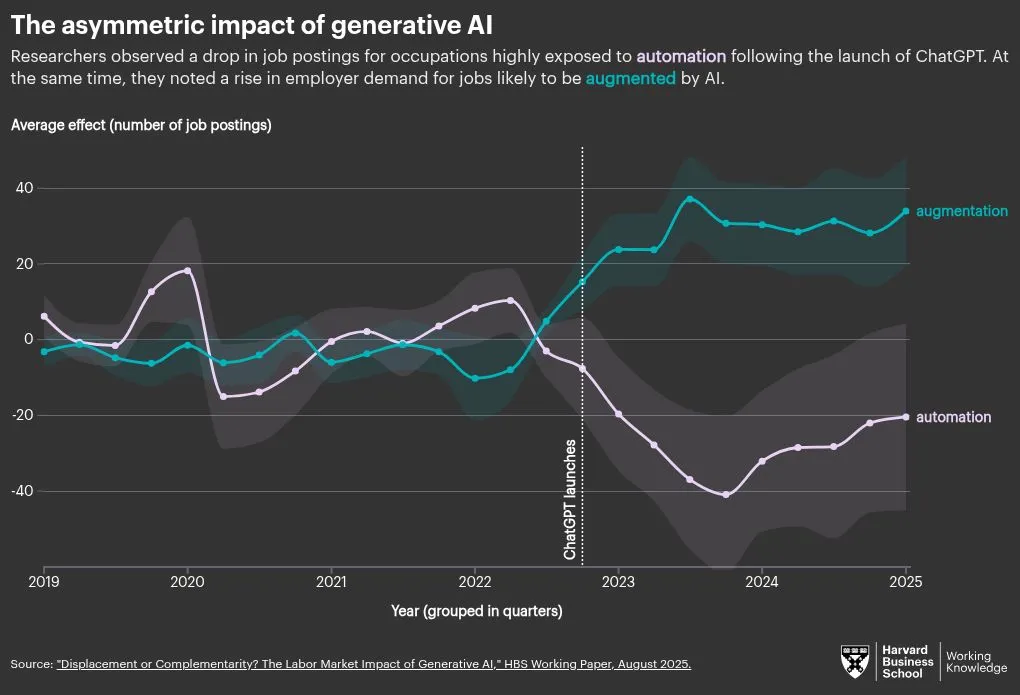
That application to SEO and paid media is the author's inference rather than a direct classification from the underlying studies, but the management lesson is relevant: the promotion case for channel specialists is increasingly about business judgment, not how many platform tasks they personally execute.
| Operator takeaway: If you manage search or paid media, document the decisions your work improves. Build promotion evidence around testing frameworks, incrementality, forecast accuracy, budget allocation and cross-team influence – not just campaign output volume. |
OPERATIONS WATCH
Small Businesses Are Finding Value in Workflow Compression
Google's Edy's Grocer case study is a small example of a broader operations pattern. Owner Edy Massih uses Gemini to scale family recipes for large catering jobs, combine menus into aisle-by-aisle shopping lists and adapt dishes for dietary restrictions. The benefit described is administrative time saved around planning rather than a new customer-acquisition channel.
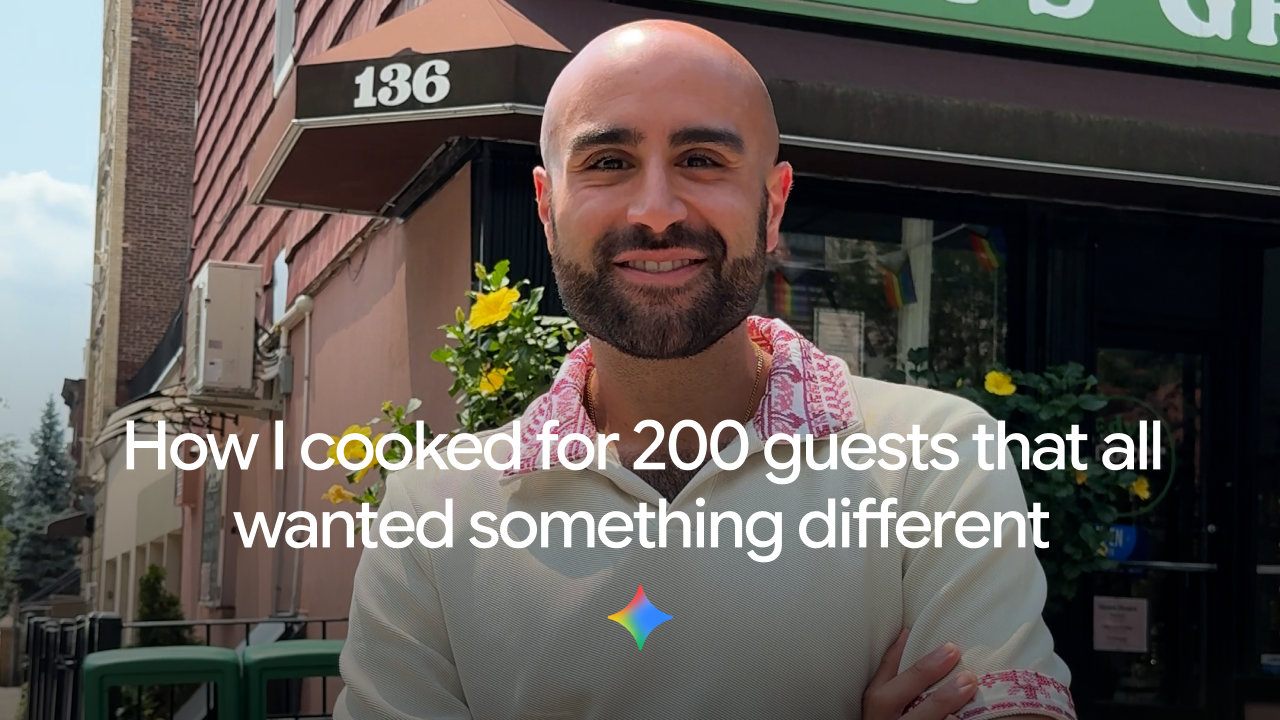
As a first-party Google case study, it should not be treated as an independent productivity benchmark. Still, the workflow is instructive for ecommerce operators: repetitive planning tasks with clear inputs and outputs are often easier places to find practical efficiency than customer-facing automation.
| Operator takeaway: Look for internal workflows with frequent manual recombination – inventory notes, campaign briefs, merchandising checklists, supplier comparisons, reporting summaries – before automating high-risk customer-facing decisions. |
SEARCH UI
Google Keeps Testing How Sitelinks Compete for Attention on Mobile
Search Engine Roundtable reports another Google test for mobile sitelinks, including a line-by-line presentation with a vertical or horizontal visual treatment beside the links. Other variations include sitelinks with images.

This is a small interface test, but it is a reminder that paid and organic search visibility is partly a presentation problem. Strong sitelinks can expose category depth, promotions, shipping information or high-value pages before a shopper reaches the site.
| Operator takeaway: Treat sitelinks as merchandising space. Keep labels short, map them to real shopper tasks and rotate seasonal links as promotions, inventory priorities and service messages change. |
THE SIGNAL
Growth Is Still Available – but the Easy Version of Growth Is Fading
The holiday forecasts are healthy. European ecommerce is still expanding. Creator and marketplace discovery continue to add routes to demand. But each of those opportunities comes with more execution pressure: shoppers want value, marketplaces raise availability expectations, advertising systems want broader creative inputs, and faster production increases the cost of weak review.
That makes operational coherence a competitive advantage. The teams that connect promotion planning, inventory, creative strategy, channel measurement and brand governance will be better positioned than teams that treat each platform update as a separate optimization problem.
| Operator takeaway: Pick one Q4 dependency map this week. Link your promotion calendar to inventory, creative requirements, landing pages, financing messages, creator activity and channel budgets. The point is not to predict every spike; it is to make sure the business can respond when demand moves. |
The Beecommercer Team