
Last updated on October 21, 2026 at 10:12 AM
Q4 is offering retailers an unusual combination: demand remains healthy, but securing the next customer is becoming more expensive. New forecasts point to strong holiday ecommerce growth even as Google Search click prices recover and paid-search volume expands more slowly. For merchants, the practical goal is not to chase every projected dollar of demand; it is to protect contribution margin while capturing the customers most likely to come back.
The rest of this week’s news follows that same operating logic. Walmart is making membership more useful across two banners, YouTube is adding reasons for creators to sell products, and advertisers face fresh questions about account verification, creative testing and the quality of the websites on which their ads appear.
THE BIG STORY
Holiday Ecommerce May Grow 11.6% — While Google Search Gets Costlier
Forrester’s October 20 forecast expects total US holiday retail sales of about $1.1 trillion in 2026, up 5.1% year over year. Ecommerce is projected to grow 11.6% and to generate nearly 60% of incremental holiday retail sales despite representing only a little more than one-quarter of the total. Online shopping is doing the heavy lifting, but Forrester also cautions that inflation accounts for some nominal sales growth, while spending power remains uneven across income groups.
Media economics are less generous. EMARKETER, citing Tinuiti’s Q3 2026 advertiser data, reports Google Search CPC rising 4% year over year after a largely flat period. Search click growth slowed by four percentage points to 9%; US Shopping click growth eased to 14%, and text-ad click growth reached only 4%. These figures reflect the cited advertiser sample, not a census of every Google Ads account.
This divergence matters in the final weeks before Black Friday. A brand can meet a revenue target and still lose ground on product margin if it bids against rising CPCs, over-discounts repeat customers or takes orders it cannot fulfill efficiently. Revenue, new-customer mix, gross margin after media, and fulfillment cost deserve a shared dashboard.
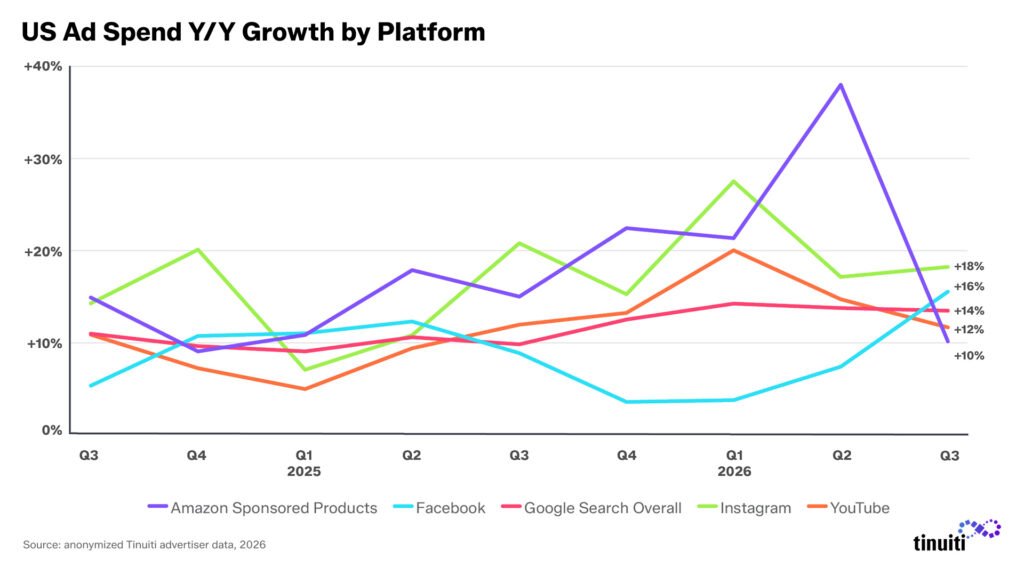
Image source: Tinuiti
RETAIL STRATEGY & LOYALTY
Walmart+ and Sam’s Club Make Membership a Bigger Share-of-Wallet Play
Walmart has introduced a way to combine Walmart+ and Sam’s Club Plus for $120 per year, which the company says is nearly $100 less than buying both separately. The combination ties together club shopping, delivery benefits, fuel savings and additional member perks. The strategic move is not simply a cheaper subscription: it makes everyday grocery orders, bulk purchases and last-minute deliveries more likely to stay within one retail ecosystem.
EMARKETER forecasts Walmart+ user growth slowing to 5.8% in 2026 and Sam’s Club member households rising just 1.5%. The bundle may improve retention, but its perks still need to earn their cost through incremental spending.
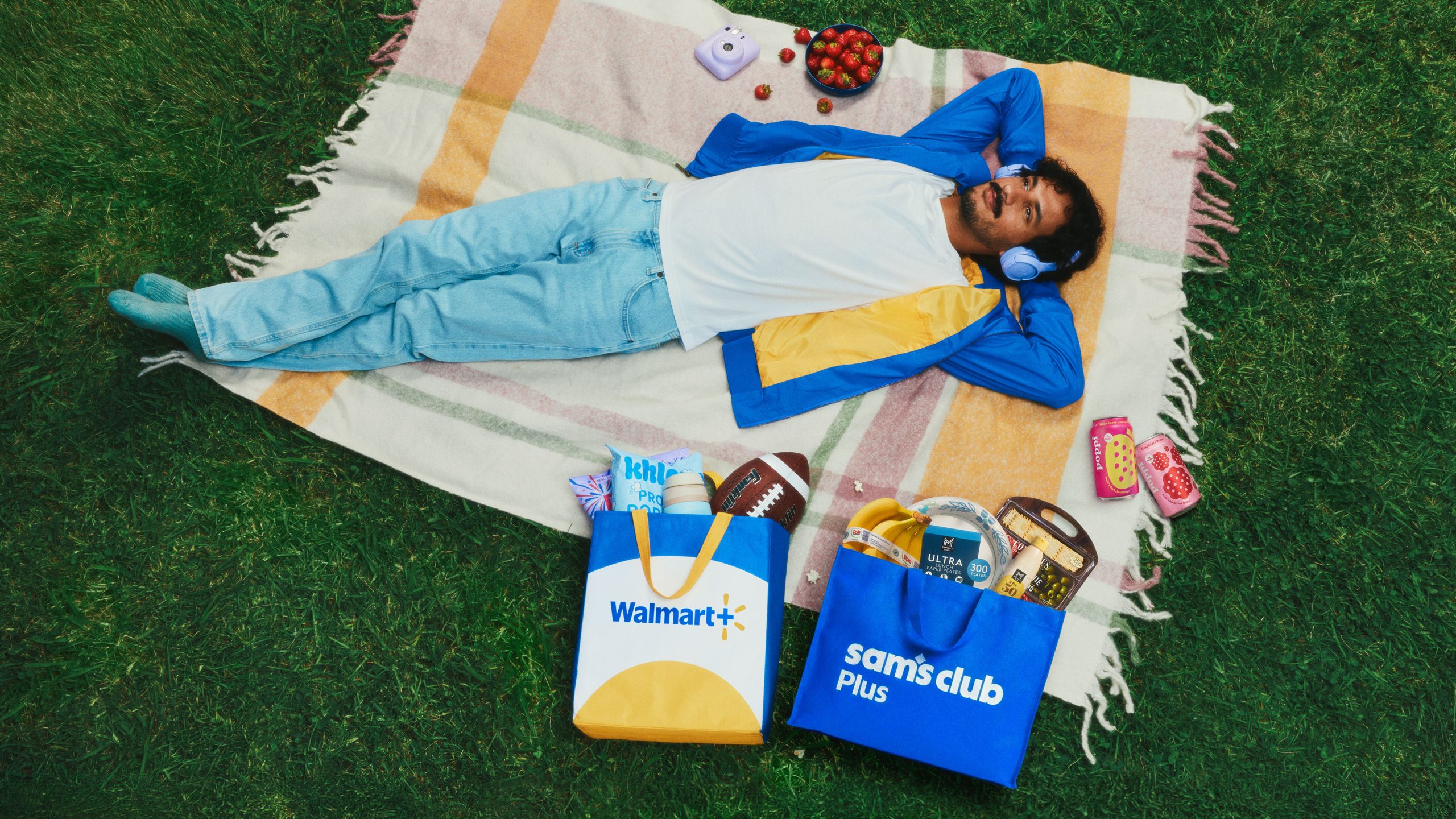
Image source: Walmart
CREATOR & AFFILIATE COMMERCE
AliExpress and YouTube Open a Wider Creator-to-Commerce Path
On October 20, AliExpress announced a YouTube affiliate partnership extending its South Korea collaboration to the United States, Brazil, the United Kingdom and Germany, subject to program eligibility. Participating creators may tag more products and earn commissions. This is a company press release, not independent evidence of incremental sales.
YouTube is also testing invitation-only Shorts bonuses and product-specific affiliate incentives, while improving its Shopping analytics for clicks, impressions and sales. EMARKETER positions these moves against TikTok’s social-commerce lead. Availability and returns will vary by creator, market and campaign.
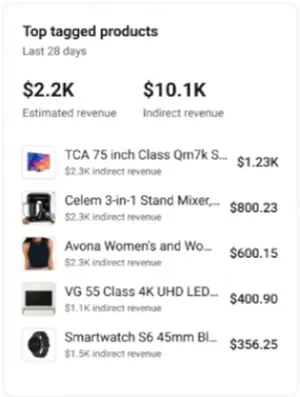
Image source: YouTube / Social Media Today
SEARCH ADVERTISING & COMPLIANCE
Performance Max Asset-Group Testing Has Been Spotted, Not Widely Released
A new A/B testing toggle has appeared in a Performance Max asset-group interface, according to an advertiser observation reported by Search Engine Land. It suggests that future tests could compare distinct value propositions or creative sets more directly. Google has not publicly established its traffic-splitting method or announced general availability based on this sighting.
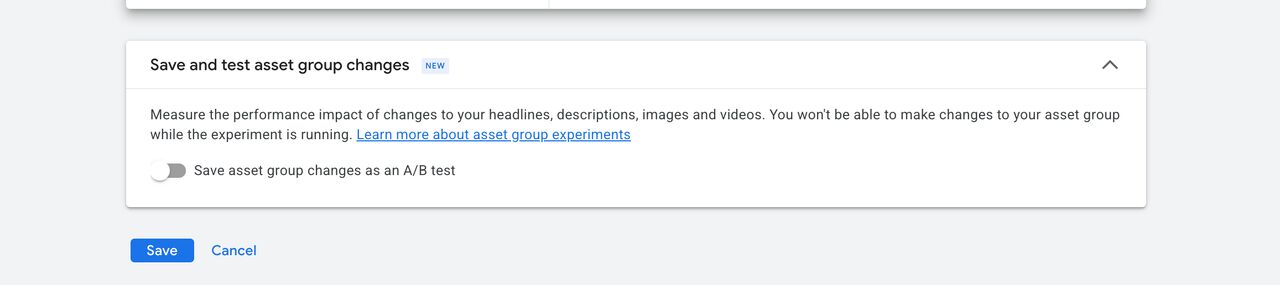
Image source: Google Ads / Joey Bidner via Search Engine Land
Financial Services Verification Is Headed to the US and Canada in 2027
Google says its Financial Services Verification program will expand to the United States and Canada in early 2027. Advertisers covered by the policy will need to demonstrate appropriate authorization through accepted regulators or registries in addition to standard identity checks. Google has promised country-specific instructions and advertiser notices ahead of enforcement; this is an announced future rollout, not an already-active universal block on finance advertising.
The policy matters beyond banks. Agencies, lead-generation partners and ecommerce companies promoting financing-related offers should watch the eventual scope carefully rather than assuming that a previously verified Google Ads account is sufficient for every category and market.
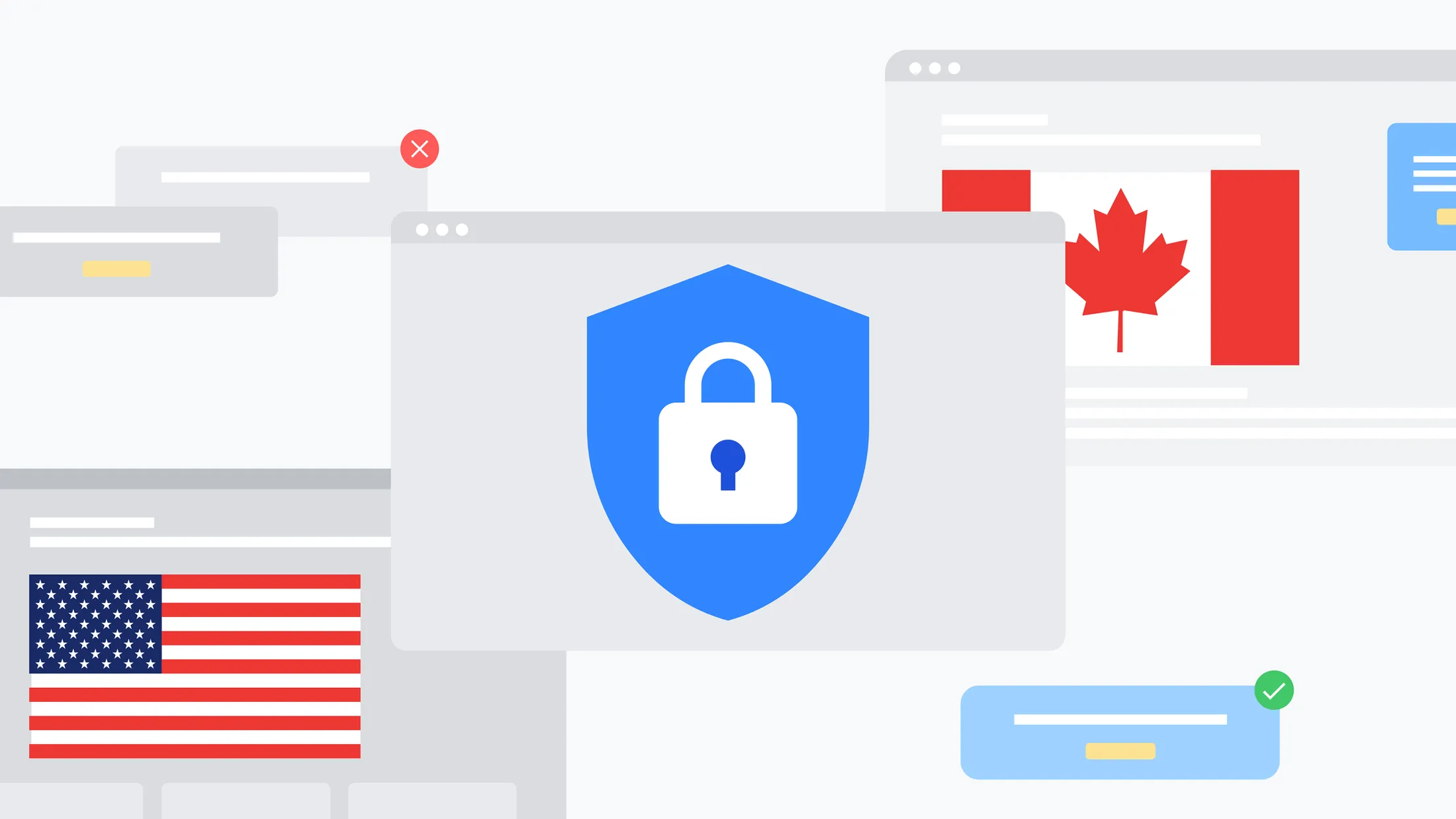
Image source: Google Ads & Commerce / Google
AD INVENTORY, DISCOVERY & ATTRIBUTION
Programmatic Quality Is Becoming a Budget Question, Not Only a Brand-Safety Question
AdExchanger reports on DecryptAds research identifying 2,116 suspected AI-generated recipe sites in the programmatic supply chain. The investigation points to low-value, ad-heavy environments and complex reseller connections; industry participants also dispute some relationship-level attributions. The research does not establish that the identified websites or vendors committed crimes, and individual platform associations should not be treated as proven wrongdoing.
For brands, the operational risk is that placements can satisfy superficial delivery or viewability goals without helping real consumers. Quality controls should therefore include domain transparency, placement suitability, anomalous engagement and downstream value—not just headline CPM.
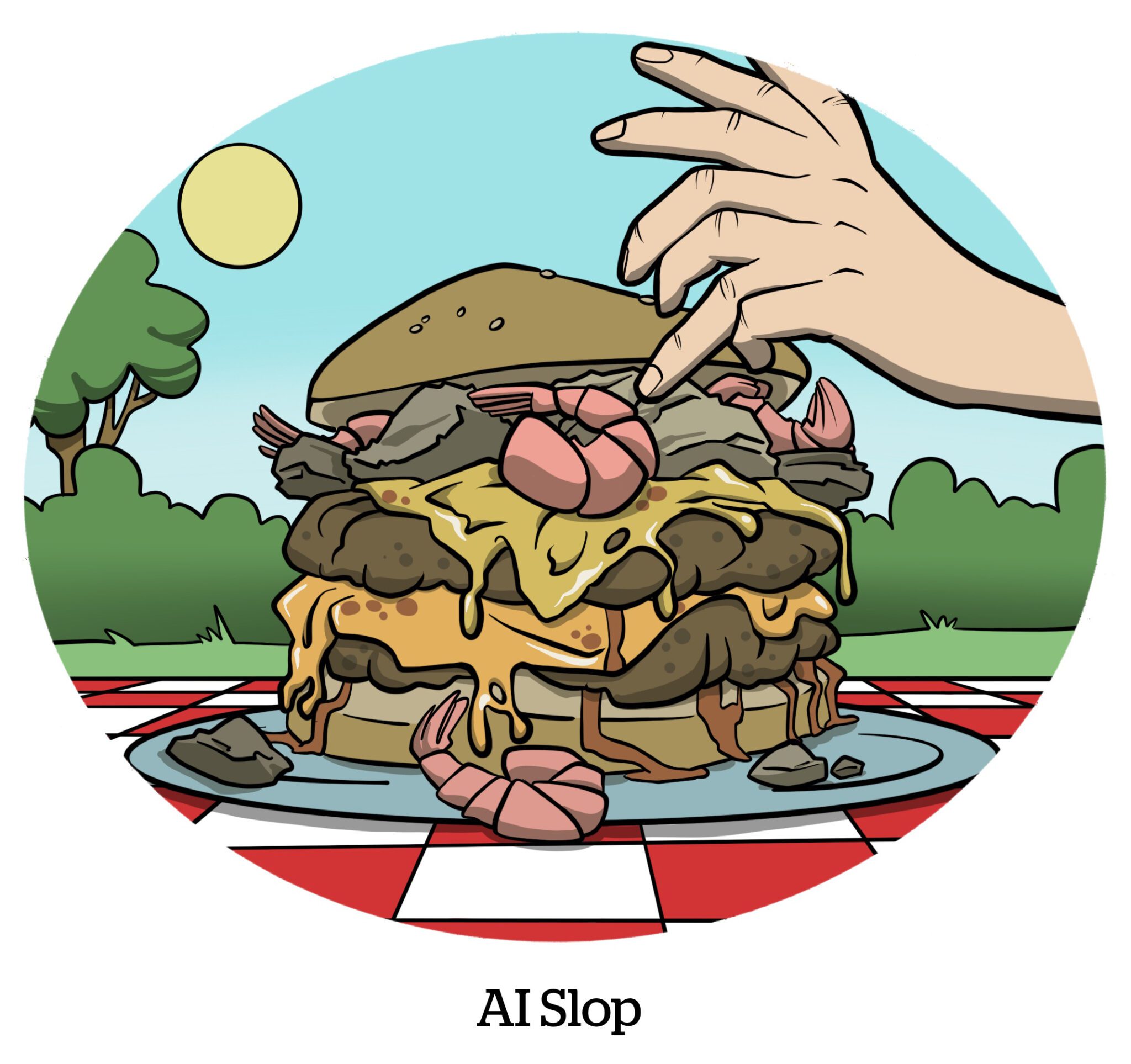
Image source: AdExchanger
The “For You” Feed and Business Messaging Complicate Last-Click Stories
Search Engine Land argues that TikTok and Instagram recommendation feeds can build demand before a customer searches for a brand. A later branded query may be credited to Search, masking the creator content that shaped the purchase decision.
Yahoo Finance sees business messaging as a growing non-advertising revenue channel for Meta. In Q2 2026, Family of Apps “other revenue” — including paid messaging, subscriptions and services — grew 73% to $1.01 billion. This is not a measure of WhatsApp commerce sales, but it signals Meta’s interest in customer relationships after the ad impression.
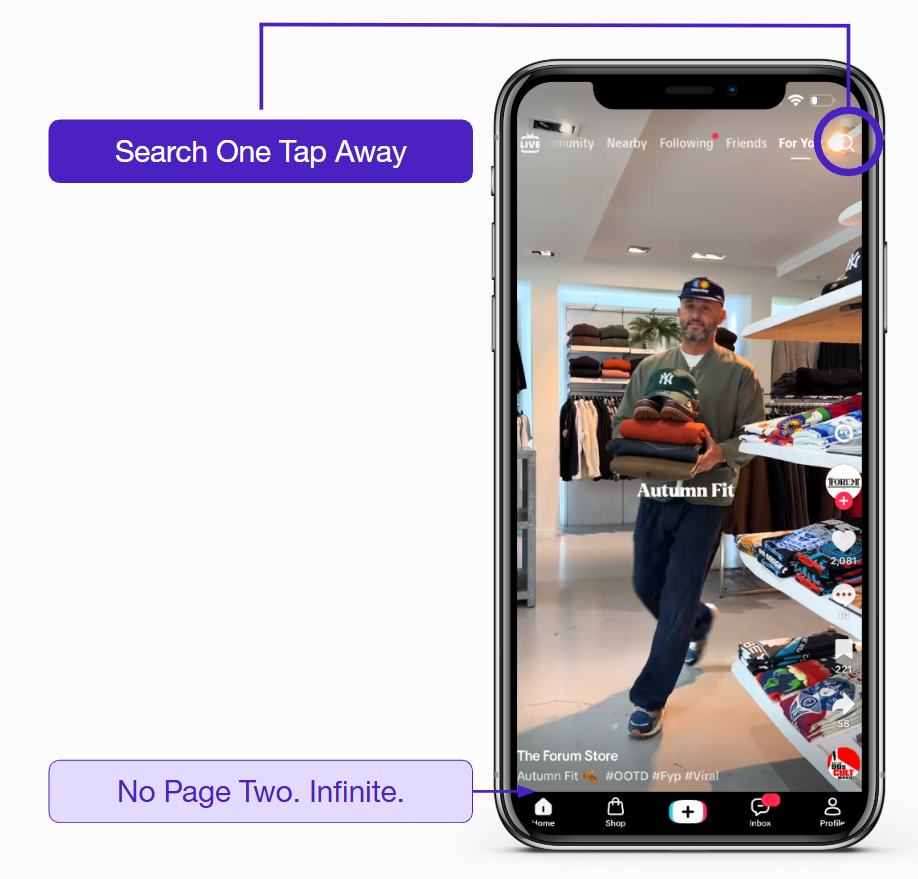
Image source: Search Engine Land / Ashley Liddell
TOOLS & INDUSTRY WATCH
Small-Team Tools Expand, but Governance Still Determines the Payoff
Google introduced a Gemini business landing page with connections to tools such as Google Business Profile, Ads, Workspace, Shopify and Canva, plus brand-style and financial-analysis features. Affiverse offers workflow guidance for affiliate managers. Both examples illustrate useful productivity ideas, but neither replaces access controls, human checks of commercial terms or a clear approval process.
In discovery and content operations, a Search Engine Journal analysis highlights accessible labels, HTML product facts and checkout controls for browser-based agents. A Tech Insider tutorial explores stable SERP-data collection, while a Digital Commerce 360 roundup reviews brand-visibility tools; the latter is explicitly sponsored content produced with Bazoom. Brand Vision discusses AI presenter production, and Digital Trends hosts a contributor article on changing email workflows. These are reference or vendor perspectives rather than independently benchmarked performance gains.
Finally, a moomoo community earnings preview discusses Meta’s expected October 21 results and the possible role of Muse. These are investor expectations and speculation, not reported earnings or verified product monetization. Keep the newsworthiness distinct from the underlying operating data.
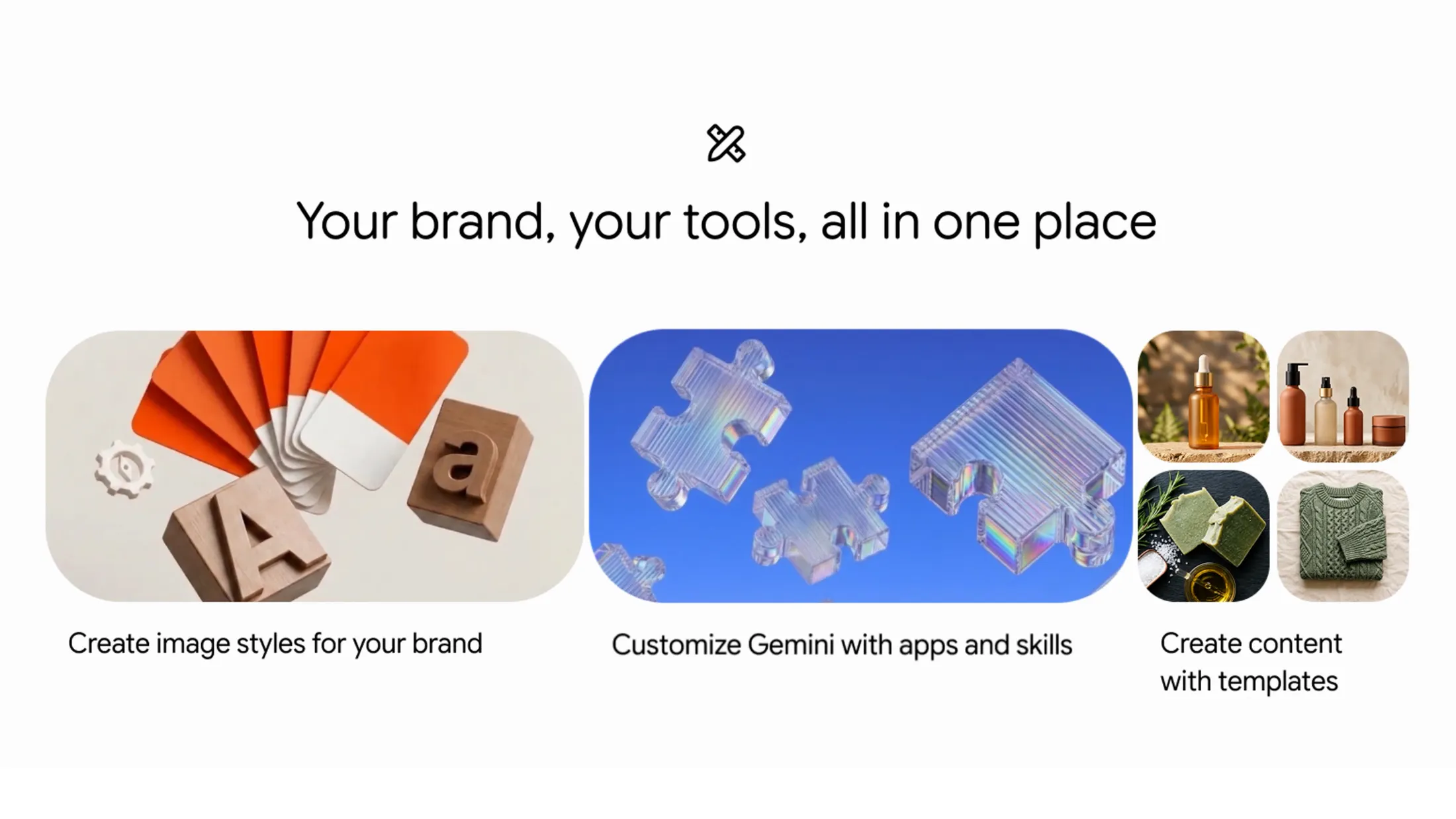
Image source: Google / Gemini
The Beecommercer Team