

Last updated on October 19, 2026 at 10:30 AM
A busy week of platform announcements points to a more practical ecommerce question: once a channel generates attention, can a merchant turn it into dependable repeat purchases without losing control of margins, customer data or fulfilment? TikTok Shop is adding tools for subscriptions, automated ads and shoppable content, while Google is refining how advertisers pay for and qualify demand.
The operational details matter more than the novelty. Some features remain in beta, several policies are scheduled rather than effective, and a platform case study is not the same as independent proof. This issue focuses on the seller decisions behind the headlines: unit economics, lead quality, attribution, technical discoverability and trust.
THE BIG STORY
TikTok Shop UK Moves Beyond the One-Off Viral Sale
TikTok Shop’s latest UK seller update introduces Subscribe & Save for eligible products, with recurring-purchase discounts of 5%, 10%, 15% or 20%. The platform has also expanded Shoppable Photo into a Shoppable Carousel and added livestream selling controls, making it possible to merchandise products without relying exclusively on continuous short-form video production.
For eligible merchants, the GMV Max Net Sales Boost program can automatically select products and handle creative, targeting and bidding. Net Influencer reports that some eligible stores are enrolled by default, with a 30-day promotional period and restrictions on changing settings while the system learns. Sellers should therefore review eligibility, cost treatment, the opt-out process and the actual contribution margin—not interpret a promotional window as evidence that ongoing media is free.
These additions are a move from discovery to a fuller store operating system. Subscription discounts may lift purchase frequency, but they also change the economics of inventory commitments, returns, replenishment and repeat-order margin. A carousel or livestream can win attention; the business still needs stock and fulfilment to retain the order.

Image source: TikTok Shop / Net Influencer
CREATOR COMMERCE & CONTENT
Microdramas and YouTube Partnerships Point to Longer-Lived Creator Value
TikTok’s partnership with Made By Us Studios will bring creator-led vertical microdramas to TikTok and its PineDrama experience. Marketing Dive reports that TikTok cited nearly 580 million global views for an earlier micro-series, Screen Time; that is a platform-reported content figure, not a sales-attribution result. The commercial opportunity is to build recurring attention through characters and episodes rather than expect every post to work as a one-shot product pitch.
Google’s YouTube creator partnership playbook reinforces the planning side of that shift: brands need a clear creator fit, a defined content brief and measurement beyond raw views. For ecommerce businesses, a sequence of demonstrations, comparisons and post-purchase use cases may be more reusable than a single launch video. Google is a participant in this market, so its recommendations should be treated as first-party guidance.

Image source: TikTok / PineDrama, via Marketing Dive
PERFORMANCE MEDIA & LEAD QUALITY
Demand Gen Extends Its Adjustment Window; Lead Forms Add Better Qualification
Google Ads has extended the maximum window for performance-based cost adjustments on eligible Demand Gen campaigns from roughly three weeks to 60 days. This remains a beta for qualifying campaigns using target CPA or target ROAS; Google may retroactively reduce campaign costs when actual conversion performance disappoints. Adjustments are reflected in campaign cost reporting, and the article notes that there is no separate credit or notification line. Savings are neither automatic for every advertiser nor guaranteed.
Google Ads lead forms have also added an option to identify qualifying answers for lead scoring, according to Search Engine Roundtable. The reported control allows up to 12 answers per question to be marked as qualifying. That is useful for defining intent, but it does not by itself prove that lead quality has improved; CRM acceptance, sales outcomes and downstream conversion values remain the real tests.
TikTok’s Incentive Center adds another cost-management lesson. Its help page, last updated in May rather than published this week, documents deal pacing, settlement review and ad-credit visibility for accounts with incentive agreements. Cash-spend reporting is on a T+2 basis, so it is an operational reference rather than a live October product launch.
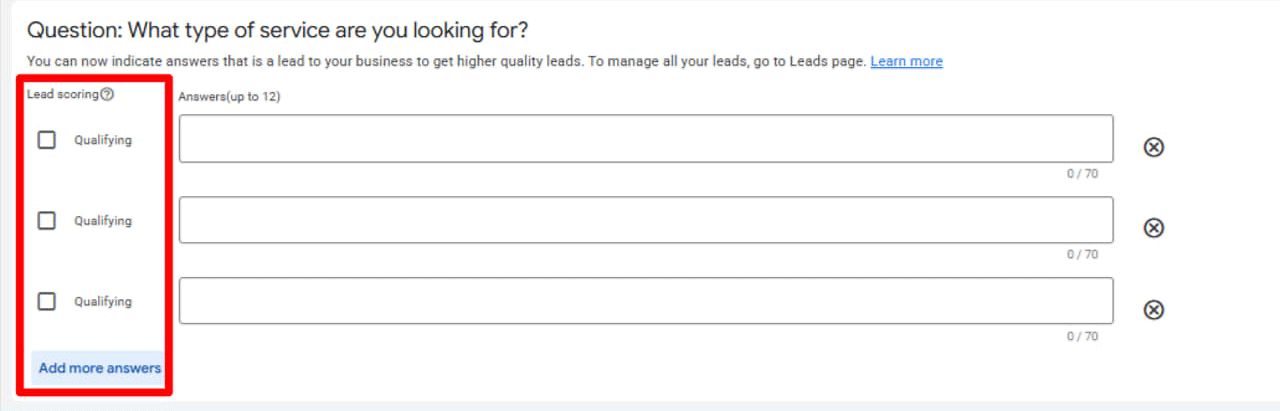
Image source: Google Ads; Dafne Nazar / PPC News Feed, via Search Engine Roundtable
SEARCH QUALITY & TECHNICAL SEO
Ranking Volatility Is Not a Recovery Strategy; Source Quality Still Counts
Search Engine Roundtable reported heightened ranking-tool volatility and community chatter on October 16, following the completion of Google’s September spam update on October 8. These observations should not be described as a newly confirmed algorithm update. For merchants, the first job is to separate a site-specific technical change from a search-wide movement using Search Console, analytics and page-level checks.
Google has opened applications for a UGC Fresh Data Program, a separate submission pipeline for qualifying large-scale forums and social platforms with publicly accessible, actively moderated posts. Search Engine Journal stresses that acceptance is not guaranteed and the program does not replace normal Googlebot crawling for ordinary brand and product websites. This is significant for the shape of content discovery, but it is not a shortcut to index a Shopify catalogue.
Semrush meanwhile documents a workflow in which its Site Audit identifies technical issues and Claude reads results through Semrush’s MCP connection to organize recommendations. The assistant does not run or reconfigure audits through this interface. It can speed triage; it cannot make the underlying evidence more reliable than the crawl or replace verification by an SEO operator.

Image source: Wincher / Search Engine Roundtable
POLICY, TRUST & MARKET ACCESS
Malaysia Proposes New Ecommerce Rules as Meta’s Crawling Terms Draw Scrutiny
Malaysia’s government expects to submit an Ecommerce Bill to Parliament in 2027, seeking stronger accountability for online platforms and sellers. Business Today reports that a draft has been prepared and is being refined. The proposal is a policy development, not an enacted statute; cross-border operators should monitor the final text before inferring new immediate compliance duties.
Separately, Meta’s updated Commercial Terms are scheduled to take effect October 30 and broaden the stated permissions to crawl websites associated with businesses using its products. Search Engine Journal and Gizmodo report concerns about how broadly content might be used. Meta has disputed some interpretations and says the change supports accurate third-party product information for recommendations, rather than scraping news sites. Both the contractual scope and Meta’s explanation deserve attention; the practical meaning may remain contested.
Image source: Search Engine Journal / Matt G. Southern
PAYMENTS & COMMERCE PLATFORMS
Purchase Authorization Becomes an Important Commerce Design Problem
American Express has published a technical Intent Intelligence framework intended to record a shopper’s purchase instructions before an automated agent completes an order. The proposal includes proof-of-intent records and scoped payment credentials that could help verify whether an order matched what a consumer authorized. Digital Commerce 360 reports that no live integrations use the framework yet; merchants should treat it as infrastructure direction, not a checkout feature they can switch on today.
That question becomes more relevant as shopping assistants seek access to established marketplaces. India Today reports that Elon Musk floated the idea of an Amazon rival after complaints that Amazon was blocking Grok shopping bots; the story confirms no plan, product or launch date for an “X Shop.” Practical Ecommerce also describes how connector standards and third-party developer ecosystems are growing around AI platforms. Together these stories show a competition over who can act on behalf of shoppers—and who verifies that action.
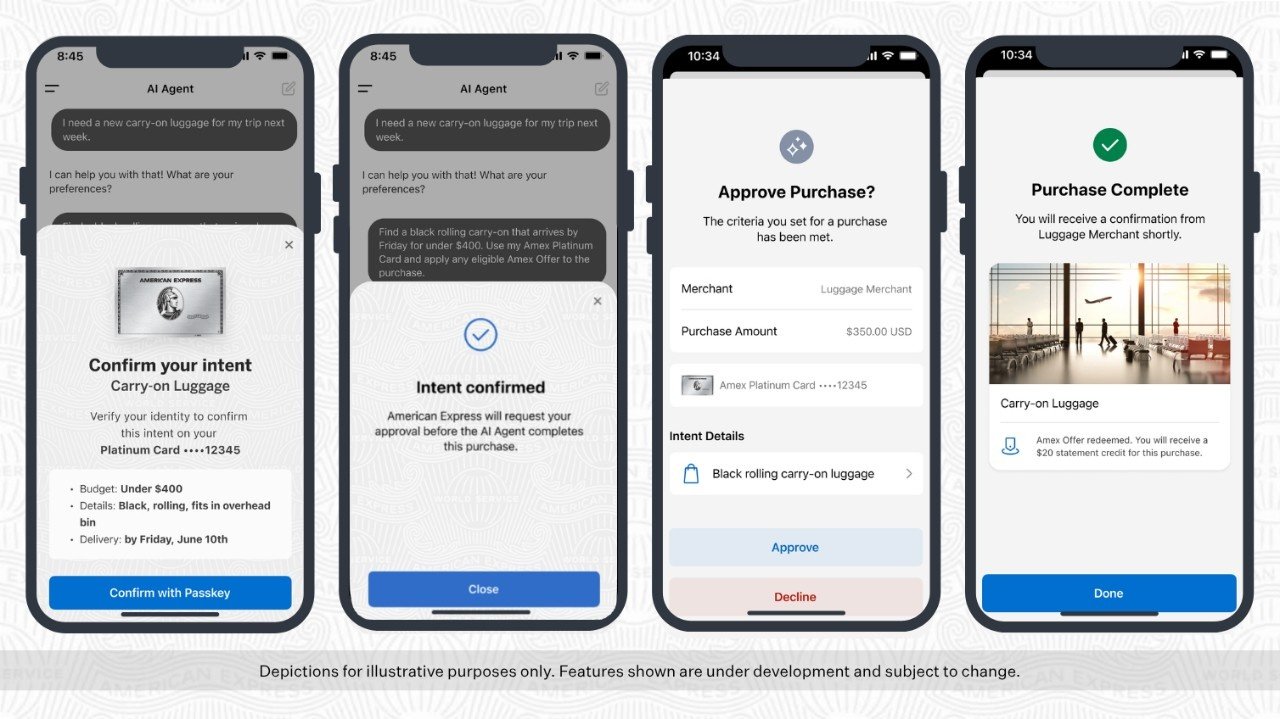
Image source: American Express Newsroom
BRAND SAFETY & CUSTOMER EXPERIENCE
Automation Still Needs Editorial and Customer-Experience Guardrails
MarTech columnist Ryan Phelan draws on the email industry’s history to argue for attribution, accuracy and authenticity in marketing workflows. The same editorial checks apply to campaign copy, customer support scripts and shopping recommendations: verify sources, test claims, and keep a human responsible for the final message.
Two other reports illustrate the broader environment. TechCrunch describes TikTok’s reported permanent suspension of the advertising account for a documentary about Elon Musk, while Engadget explains how persistent ads in Xiaomi phone software can damage perceived user experience even when they subsidize lower device prices. The first is a reported ad-policy decision; the second is a device-experience guide, not a universal benchmark for advertising effectiveness.
Image source: MarTech / Ryan Phelan
PLATFORM & INDUSTRY WATCH
What to Watch Without Mistaking a Test for a Proven Channel
Google has begun testing ads in AI Mode for people who voluntarily enable Personal Intelligence through connected apps. Google says advertisers do not receive access to those apps, nor are ads based directly on Gmail or Google Photos contents. This is an early test, not a broadly accessible campaign type with established performance benchmarks.
The Yahoo Finance Amazon Ads / ecommerce-search item could not be retrieved reliably, so no unverified claim is drawn from it. A separate Yahoo Finance item about Meta, Adobe and ad-software stocks is investment commentary, not an operating forecast.
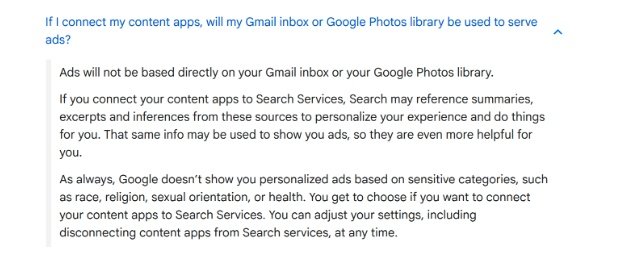
Image source: Google Search Help / Search Engine Land
The Beecommercer Team