

Last updated on October 9, 2026 at 11:58 AM
The holiday campaign calendar is now crowded with experiments, audience tools, new shopping surfaces and platform promises. Yet the biggest operational risks remain familiar: outdated offer pages, over-credited last-touch conversions, product feeds that disagree with landing pages, and rising acquisition costs.
Several signals make this a useful moment to recalibrate. EMARKETER, drawing on Emplifi data, reports median retail social-ad clickthrough rates rising from 1.08% to 1.29% between Q2 2025 and Q2 2026. Marketing Brew reports that Meta’s average price per ad rose 12% year over year in both Q1 and Q2 2026. Those are different measurements; neither, alone, tells a merchant whether customer acquisition is more profitable.
Meanwhile, TikTok is opening more routes from discovery to purchase, and Google is introducing additional controls around offers, conversion lift and retail media audiences. This edition prioritizes what can be checked and improved before major promotional traffic arrives.
THE BIG STORY
The Best Q4 Campaign May Be an Operational Checklist
As peak-season activity ramps up, acquisition tools are getting more sophisticated while the handoff to merchandising remains fragile. Google has warned selected advertisers that, starting October 12, automated promotions may be created from offers detected on their websites. The announced scope is narrower than a universal rollout: Search and Performance Max campaigns with linked location assets and no existing promotion assets. The account-level setting is opt-out.
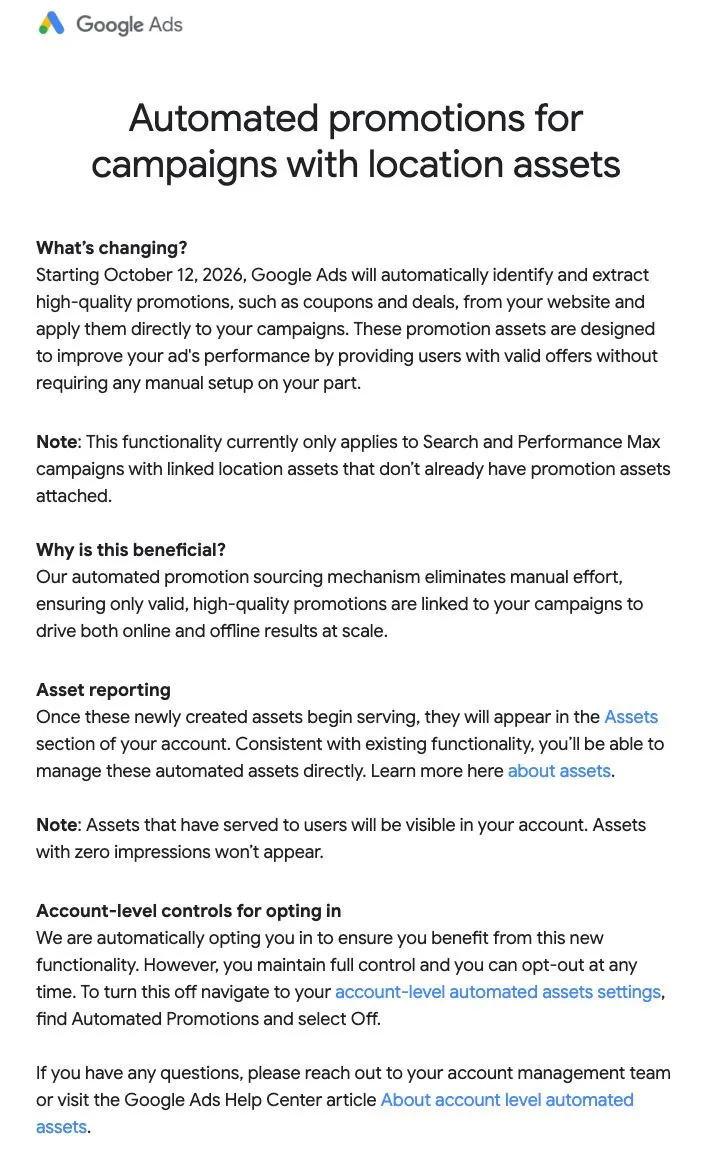
Credits: Google / Arpan Banerjee / Search Engine Roundtable
That matters for margins. A stale coupon, expired landing-page offer or region-specific discount can create the wrong promise in a paid placement. At the same time, a Search Engine Journal Q4 account-structure guide argues that fully automated campaigns can concentrate spend around existing demand unless merchants explicitly fund customer acquisition. It is not enough to increase holiday budgets without knowing whether the account is reaching new shoppers.
Walmart provides a reminder of what mature commerce operations look like: Adweek reports its Walmart+ membership business had a record first-half 2026 for net-new paid members, with global membership-fee revenue up 17% in its second fiscal quarter. The retail growth engine extends past a single ad click, into convenience, delivery and retention.
PAID MEDIA CONTROLS
Google Ads Adds Choice—Alongside New Automation to Audit
Google Ads is expanding the information merchants can inspect. New AI Max columns show locations of interest, optimized targeting and brand inclusions; a text-customization preview can generate up to ten sample headlines and descriptions before a team opts in. Google is also testing Direct Offer assets that may surface tailored incentives in AI Mode. These are useful visibility and experimentation features, not proof that every advertiser will receive the same access or results.
Campaign localization is being tested for entering new markets, including translations of Search assets and optional dynamically translated landing-page text. Another interface update brings video impressions into eligible conversion paths and introduces a funnel-stage performance overview. Notably, the reported video-impression path feature excludes GA4-imported conversions at present. That distinction should appear on any internal measurement comparison.
Technical controls still matter: revised examples in Google’s “Destination not working” policy, reports of PMax invalid-final-URL errors, revised business-name rules and smaller billing-interface changes belong on the prelaunch checklist. Teams should not confuse a product test, a documented policy and an account-specific bug.
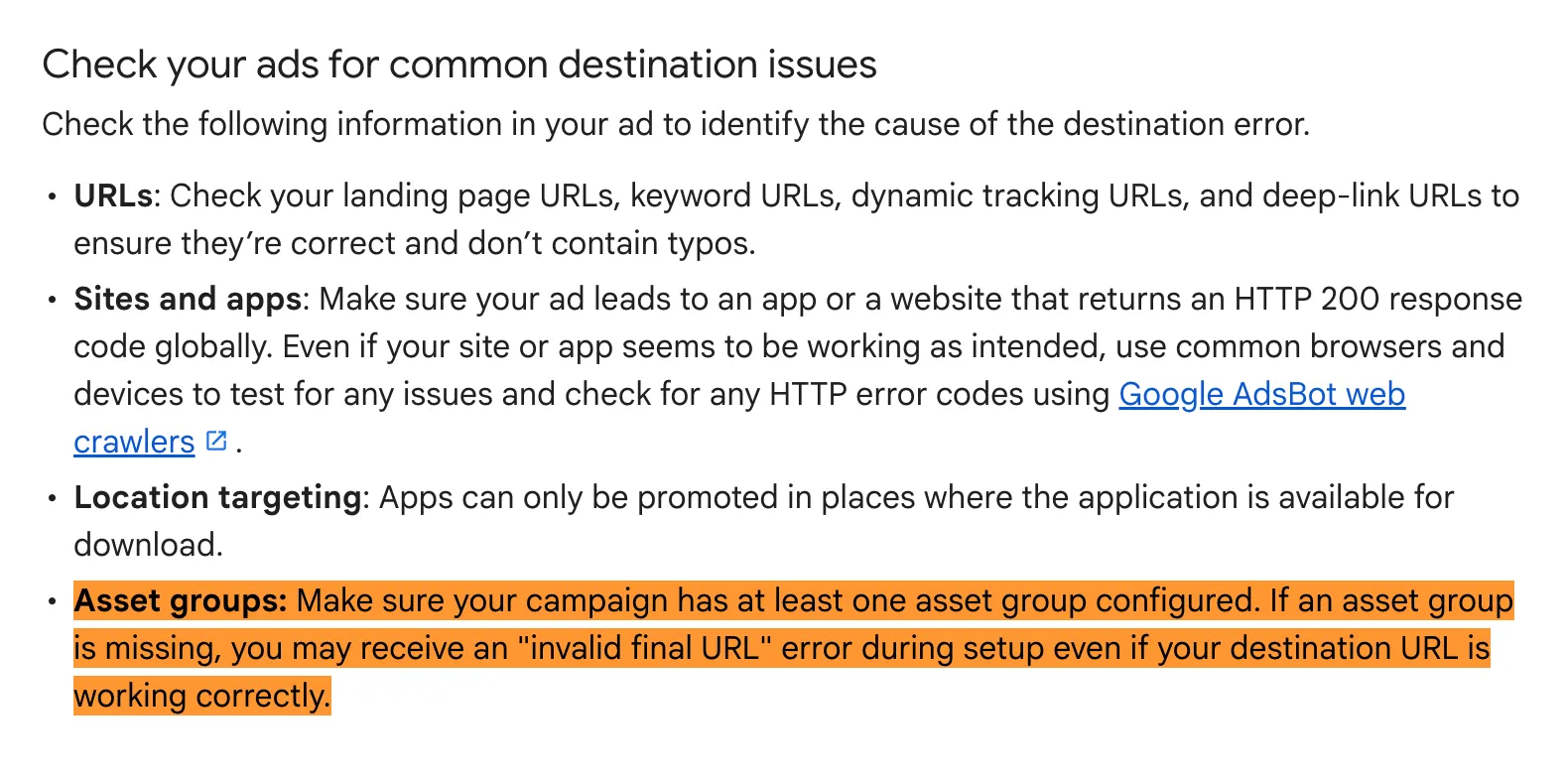
Credits: Google / Search Engine Roundtable
MEASUREMENT & RETAIL MEDIA
Incrementality Gets Closer to Self-Serve
Google has extended self-serve, user-based Conversion Lift to eligible Search and Performance Max campaigns. The reported gate is at least 1,000 observed conversions, a minimum participating-campaign budget of $5,000 and a compatible conversion action. The design compares a group eligible to see ads with a holdout group, offering a different answer from conventional attribution: how many conversions would not otherwise have happened?
A second development is commerce audience sharing. Retailers and marketplaces can make qualifying first-party segments accessible to participating brands in commerce media network campaigns. The crucial limitation is that these shared audiences are not a general-purpose addition to regular Search, Shopping or PMax targeting. For a brand selling through retail partners, the change is strategically interesting precisely because it links commerce data to activation in a more controlled context.
Sponsored analysis about TikTok app advertising, and Google’s own Brandformance materials, echo a wider theme: teams need measurement choices aligned with business outcomes. However, vendor case studies and platform-produced lift claims should be tested rather than copied into forecasts.
Credits: Google Analytics / Google for Developers · CC BY 4.0
SOCIAL & CREATOR COMMERCE
TikTok Is Pushing Further Down the Funnel—and Outside Its App
TikTok is expanding its U.S. ad reach through an off-platform network that Adweek says spans nearly 400,000 apps globally, building on the former Pangle business. Separately, new U.S. commerce capabilities are beginning to roll out that let users buy from participating brands inside TikTok without necessarily transacting through TikTok Shop. The company lists ecommerce and payment partners including Shopify, Salesforce and Stripe.
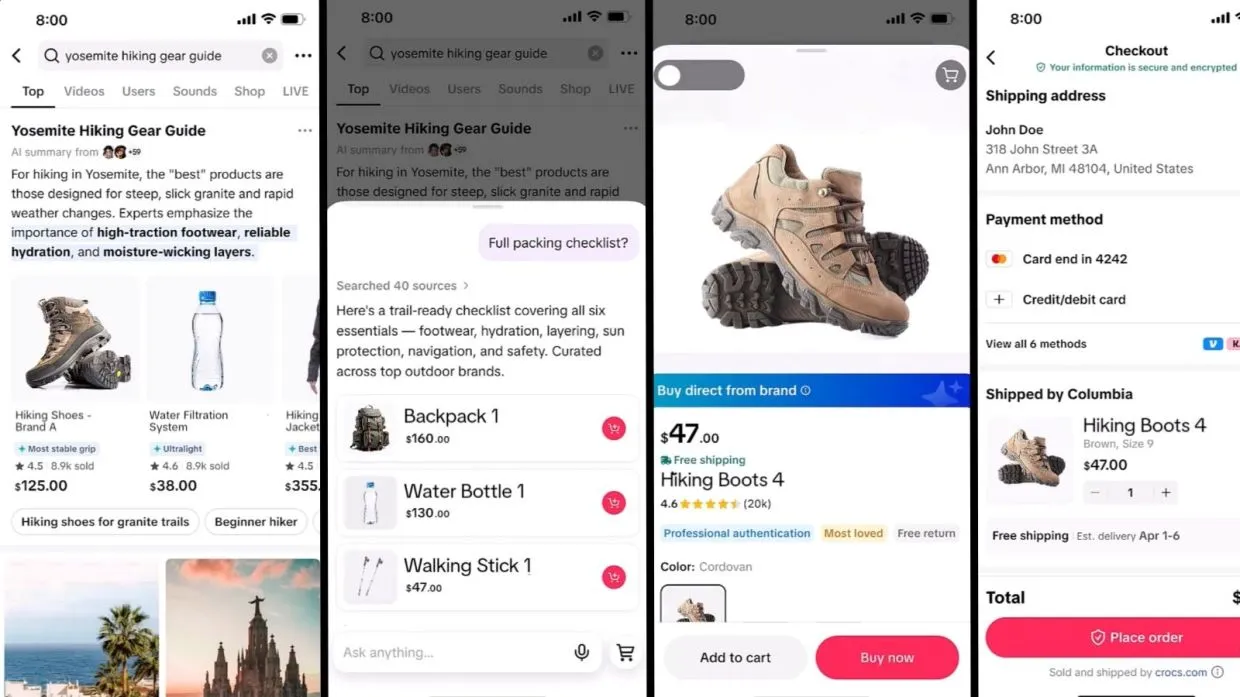
Credits: TikTok / ADWEEK
These are distribution and checkout shifts, not simply creative formats. For merchants, the decision becomes whether to treat TikTok as a traffic source, a checkout surface, a partner network, or all three—with separate measurement for each route. EMARKETER’s creator-commerce report says retail and shopping GMV tracked on Impact.com rose nearly 450% year over year to $14.4 billion in Q2. That is growth within the reporting platform, not a measure of all creator-commerce GMV.
Meta is also turning creator Instagram Live sessions into paid placements. Across these changes, the same operating problem recurs: track creator codes, paid amplification, product margin, returns and repeat purchase together so that an impressive short-term GMV chart is not mistaken for durable customer value.
CHANNEL ECONOMICS
More Clicks Do Not Automatically Mean Cheaper Growth
EMARKETER, using Emplifi industry KPI data, reports a 19% relative increase in median monthly retail social-ad CTR—from 1.08% to 1.29% between Q2 2025 and Q2 2026. Higher engagement is welcome, but it can coexist with rising prices and weaker post-click quality. Marketing Brew quotes several buyers describing higher Meta costs, while Meta’s disclosed average price per ad climbed 12% year over year in each of the first two quarters.
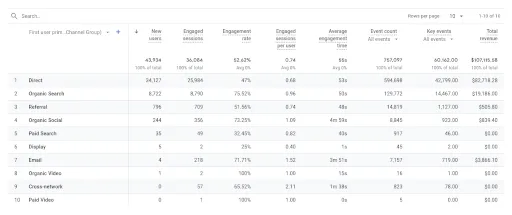
The choice is not simply to spend more on a winning platform. Some buyers are testing timing outside the busiest holiday auction, more varied ad creative and better customer exclusions. Retail operators should compare new-to-file customer cost, contribution margin and frequency by promotion window, not just cost per click. More clicks can be useful; only profitable incremental customers pay for the next campaign.
Credits: Google Analytics / Google for Developers · CC BY 4.0
SEO & OWNED DISTRIBUTION
Category Architecture Still Needs to Reflect the Business
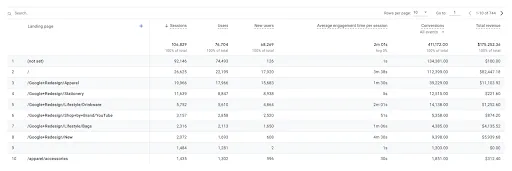
Search Engine Land’s ecommerce internal-linking analysis asks a more useful question than “How many links can we add?”: which categories deserve additional support based on commercial priority, seasonality, available stock and customer demand? A category can be strategically important to the merchant yet remain buried in navigation, thin in supporting content and isolated from relevant buying guides.
There is also a timing issue. Search Engine Journal’s summary of a Google Search Central Live session reports wide ranges for discovery, indexing, canonical changes and core-update recovery; the article explicitly notes that the published “typical” values lack a disclosed sample size and should not be treated as service deadlines. For Q4, that argues against waiting until the peak week to restructure important category pages.
AI-source citations, Gemini UTM parameters and industry reporting on publisher payments may change how organic visibility is evaluated, but they do not remove the need for strong product information, reliable navigation and coherent merchant identity. The commercial test remains whether a shopper can confidently reach a relevant product and finish the intended task.
Credits: Google Analytics / Google for Developers · CC BY 4.0
RETAIL PLATFORM WATCH
Convenience, Seller Economics and Storefront Flexibility Are Competitive Moats
Walmart’s membership momentum and Flipkart’s seller expansion illustrate two different levers: customer convenience and merchant economics. According to Business Standard, Flipkart said it had around 1.4 million active sellers in early October, almost double its level 15 months earlier, as it expanded zero-commission selling and simplified onboarding. Those figures are the company’s claims, not an independently audited marketplace census.
Third-party merchant analysis points to Shopify Canvas as a new visual storefront-building option, but flags limitations around third-party themes, Markets, translation and app blocks at launch. Merchants should check current platform support and avoid major theme migrations immediately before Black Friday. Reporting on Pinterest’s commerce push adds to the broader distribution story, but the linked Campaign article was not fully accessible for independent review.

Credits: Shopify
PLATFORM & INDUSTRY WATCH
Emerging Interfaces Are Worth Watching—Not Yet Worth Blind Budget Shifts
Conversational advertising, Meta Muse, publisher-payment pilots, Google’s sponsored-product layout tests and OpenAI case studies, alongside market and legal commentary, offer useful signals that the advertising interface is still changing. However, the evidence is uneven: some items are experiments, some are opinion pieces, some are vendor case studies, and several are subscriber-only.
New interfaces should be evaluated against verifiable commercial evidence, rather than declaring a new winner each day. For example, one report on ChatGPT ads describes clickthrough rates exceeding 1% in four markets but not the U.S.; that should not be projected onto an advertiser’s own campaign. Similarly, a test that blends sponsored product grids with organic-looking layouts calls for labeling and reporting scrutiny, not a guaranteed CTR forecast.

Credits: Google / Brodie Clark / Search Engine Roundtable
THIS WEEK'S OPERATOR PRIORITIES
Three Checks to Make Before Holiday Budgets Scale
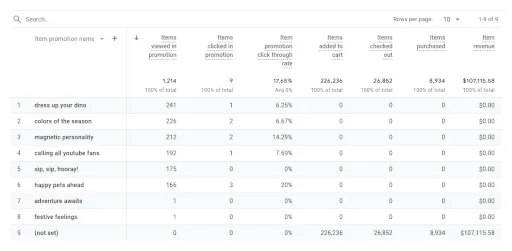
First, make the offer truthful everywhere: Google Ads promotion assets, organic landing pages, product feeds, creative, checkout and any new in-app commerce surface should agree on price, dates, exclusions and availability. The October 12 automated-promotion change makes this especially urgent for affected accounts.
Credits: Google Analytics / Google for Developers · CC BY 4.0
Second, move from platform-reported conversions to a shared finance-and-marketing view. Separate first-time and returning customers, coupon cost, payment fees, return/refund rate and delivery cost. Where volume permits, measure incrementality; otherwise label modeled and observed outcomes clearly.
Third, build an owned-distribution safety net: repair important product/category pages, strengthen internal linking, capture consented first-party audiences, and keep email, creator and paid-social creative coordinated. Even when search placements or checkout paths change, the merchant still needs an accurate product story and a reliable post-purchase experience.
Data and access: Retail social CTR figures above come from EMARKETER / Emplifi’s cited KPI dataset, while Impact.com GMV is platform-specific and should not be generalized to the full affiliate or creator economy. Google’s product news and Think with Google resources are platform-published materials; sponsored articles, agency advice and vendor cases represent their authors’ or sponsors’ perspectives. The linked Campaign, FT, The Information, Forbes and other subscriber-only items may not be fully accessible; no unpublished details from them were used as factual support. The Goldman Sachs/Amazon stock article is investment opinion, not an ecommerce operating forecast.
The Beecommercer Team