

Last updated on October 26, 2026 at 10:55 AM
As the holiday period approaches, growth teams face a familiar dilemma: demand is still available, but every additional click, asset and campaign needs a stronger business reason to exist. The latest search and retail reports point away from chasing a single platform feature and toward more deliberate decisions about how shoppers discover a product, compare options and complete a purchase.
This issue starts on the ecommerce shelf rather than the AI interface. A sizable study of Google Search clicks challenges where merchants concentrate SEO resources. Google is meanwhile giving eligible advertisers wider bidding latitude, and retailers are investing in business purchasing, shoppable video and new transaction controls. The thread connecting them is practical: create useful demand, measure its quality and keep the customer relationship intelligible.
THE BIG STORY | ECOMMERCE SEO
Category Pages Often Win Discovery — but the Right Page Depends on the Query
Search Engine Land reports an analysis of 100 ecommerce websites and 14.9 million Google Search clicks collected over 12 months. Across that particular portfolio, the median ratio was roughly two clicks to category pages for every one click to product pages. Sixty of the stores were category-led, while 22 had category pages account for less than 40% of their combined category-and-product clicks. These are observed patterns from a client sample, not a claim that Google globally prefers collections.
The deeper finding comes from more than 12,000 nonbranded queries where both page types appeared. Category pages showed up more often on 61% of contested queries. Specific model names, variants and precise product details tended to favor product pages; broad needs, where several items could answer the shopper, more often favored collections. Looking only at singular or plural keyword wording was a poor substitute for examining actual intent.
The operational lesson is to stop treating a collection as a thin list of links. A strong category page can help a shopper narrow options with sensible filters, attributes, comparison cues, internal links and clear stock signals. Yet manufacturing extra categories is no shortcut: the study also found that larger category inventories spread clicks more thinly across pages. The better question is which commercially important queries need a useful selection page rather than another SKU description.
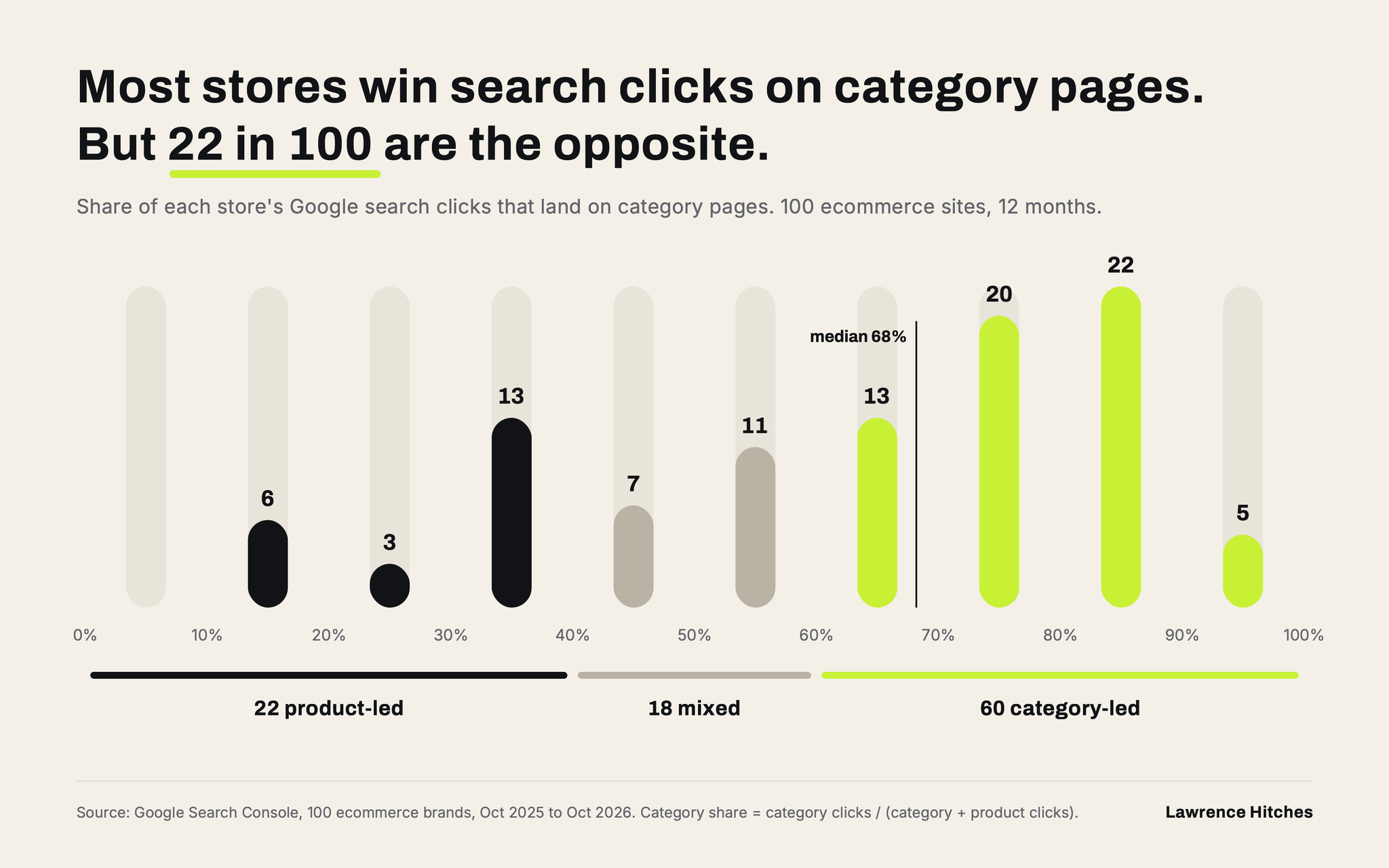
Image source: Lawrence Hitches / Search Engine Land
PAID MEDIA | Q4 EXECUTION
Smart Bidding Exploration Reaches PMax and Shopping; Creative Tests Stay Essential
Google Ads is extending Smart Bidding Exploration beyond Search into eligible Performance Max and Shopping campaigns. The feature gives Target ROAS bidding more flexibility to enter additional search opportunities, rather than creating an entirely new targeting method. It requires Target ROAS and enough available budget; portfolio strategies and Search Ads 360 introduce further limitations. The newly supported campaign types are not a green light to relax efficiency targets without a controlled test.
For retail operators, the first job is checking eligibility and deciding what success means: extra net-new conversions, useful reach into underrepresented queries, or merely more expensive volume. Track changes in traffic mix, campaign cost, contribution margin and conversion value against a comparable baseline. The feature’s availability and outcome can differ by campaign, and the platform has not promised better ROAS from enabling it.
The ad experience itself is still moving. Search Engine Roundtable documented small observed tests of scrolling ratings and reviews, visit counts, and underlined domains in sponsored results. These are appearance experiments spotted by an observer, not a universal UI rollout. They reinforce the importance of visible trust signals and accurate business information, but do not justify rewriting assets for a design that may never reach every account.
On YouTube, a new Think with Google feature describes Wayfair combining creator-native product demonstrations with polished video, stronger measurement and Demand Gen distribution. Google says the retailer’s creator initiative produced its highest YouTube creator-campaign ROAS of that year. The case is a company-specific, platform-published success story, not a typical return an advertiser should expect.
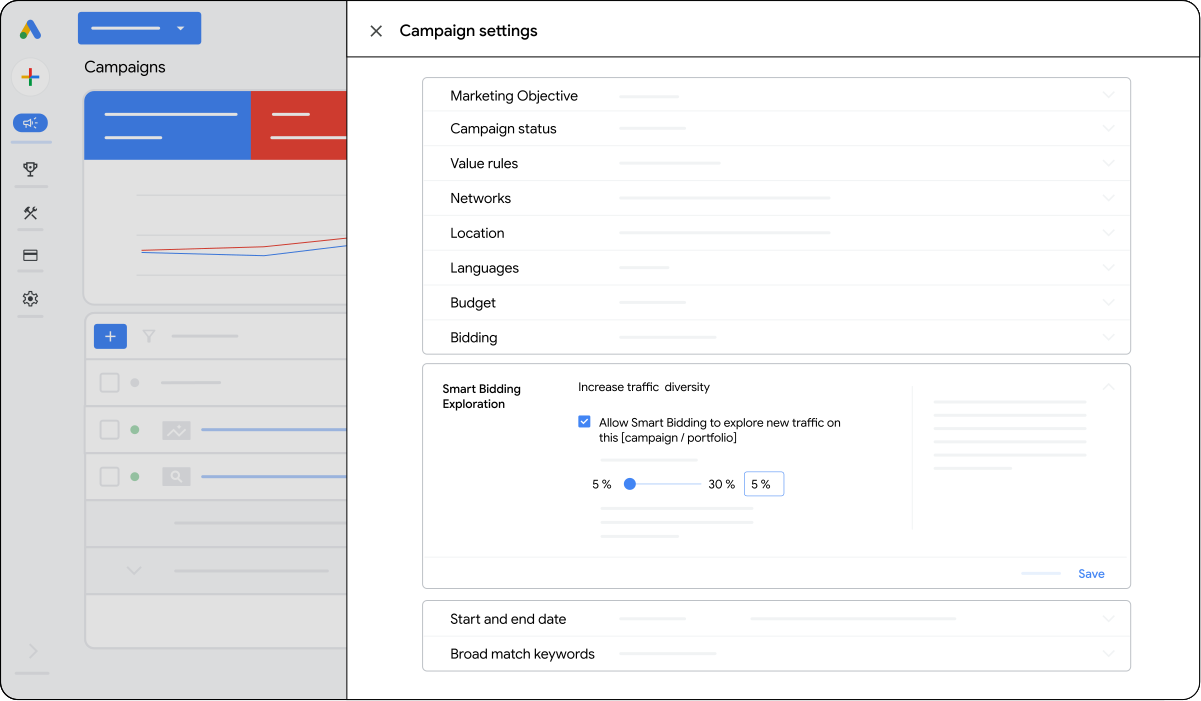
Image source: Google Ads Help / Google
BUYER LANGUAGE & CONTENT PLANNING
Your CRM Can Explain Search Intent Better Than a Keyword Export Alone
Search tools quantify demand; CRM notes explain why buyers hesitate. Frequent objections about cost, implementation and competitor comparisons can become commercially useful landing-page answers, but not every support question deserves its own article. Validate recurring sales themes in Search Console and prioritize questions from qualified prospects. Search Engine Land’s updated SEO campaign guide gives a planning checklist, while a separate opinion column urges publishers to build genuinely useful assets rather than thin pages written only for ranking. Neither is a newly announced Google ranking rule.
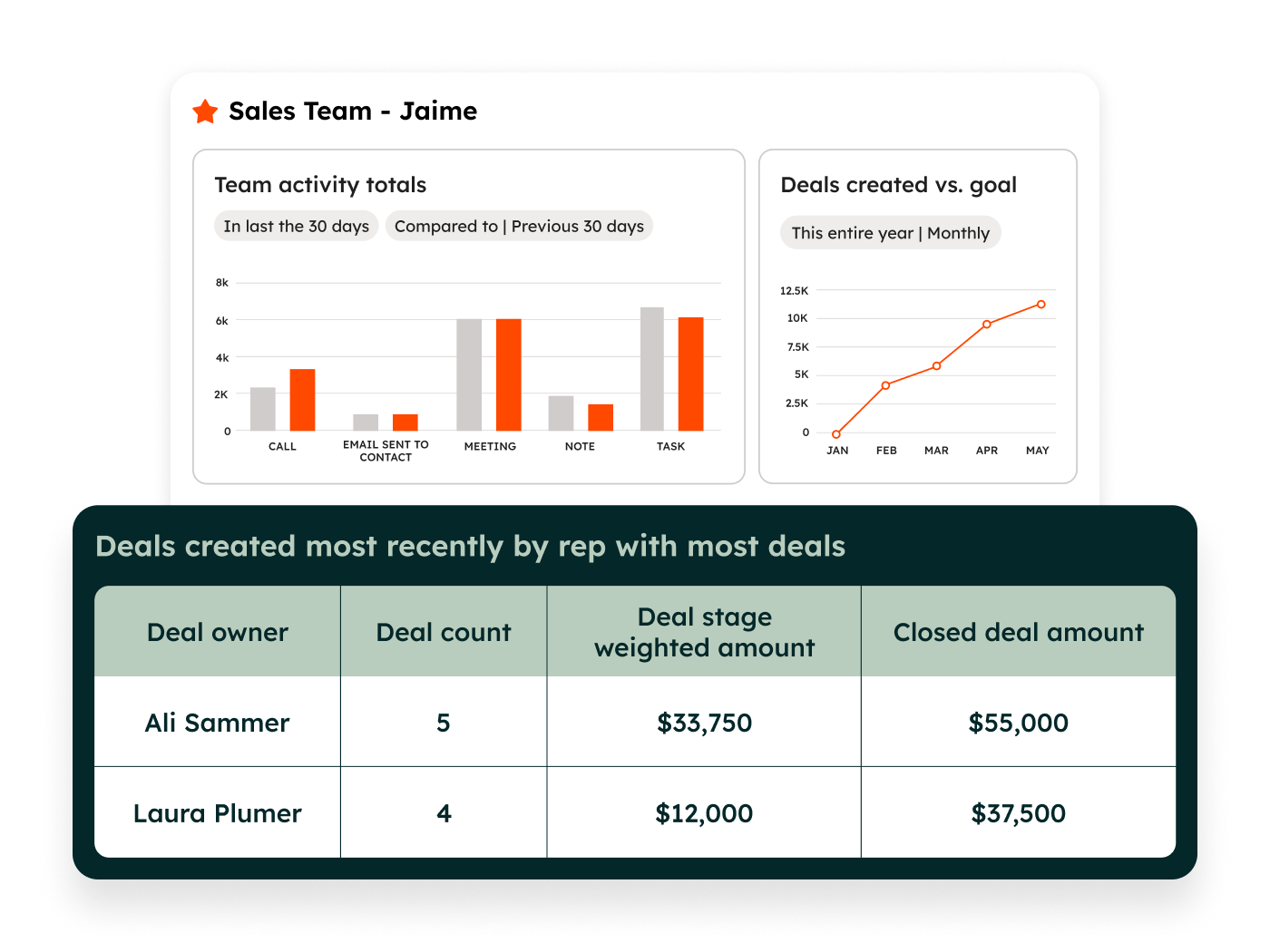
Image source: HubSpot
RETAIL OPERATIONS & B2B
Staples Builds a B2B Front Door While Merchants Recheck Platform Complexity
Staples Canada has introduced Staples Business, consolidating office, technology, print and facilities offerings behind a dedicated business identity. It is segmenting smaller customers from enterprises that need negotiated prices, account services and more complex buying workflows. That is an omnichannel strategy story as much as a website launch: B2B shoppers increasingly expect consumer-grade discovery paired with company-specific purchasing rules.
Shopify’s updated Advanced-versus-Plus guide offers a useful lens for that choice. Advanced includes basic B2B support with up to three catalogs; Plus adds deeper checkout customization, unlimited B2B catalogs and direct catalog assignment to companies, higher API limits and more extensive support. The quoted U.S. list prices start at $299 per month on annual Advanced billing versus $2,300 per month for Plus on a three-year term, but real economics depend on payments, required features, transaction structure and region. These figures and features are Shopify’s own plan descriptions and should be checked before committing.
A related investor watch concerns merchant platforms and retention vendors. A Yahoo Finance-linked article by Simply Wall St discusses Alibaba’s exposure to tighter product-quality and consumer-protection requirements in China’s ecommerce market. Separately, a Seeking Alpha contributor recommends Klaviyo as a stock, partly on its customer-data platform. These are investment views, not evidence that Alibaba or Klaviyo is the best operational choice for a merchant.

Image source: Staples Canada ULC / CNW
COMMERCE TRUST & PLATFORM GOVERNANCE
More Purchasing Power Is Arriving With More Questions About Permission
Walmart has announced Agent Profiles, an Agent Gateway and purchasing rules intended to let shoppers authorize automated purchasing, set spending limits and track agent-made orders. Agent Profiles is scheduled to arrive within a month of the announcement, while the Agent Gateway starts as a limited beta. Its emphasis on shopper-controlled limits matters more immediately than the technology label: a dependable transaction must define who can place an order, what can be spent and how the customer can see or reverse the result. Walmart has not specified which external agents support every capability at launch.
David’s Bridal, meanwhile, has signed a nonbinding letter of intent involving a possible Pearl-platform spinoff and public-market transaction. The intended structure could eventually put the brand and intellectual property under Pearl, but a letter of intent is not a completed deal. For merchants, it is a watch item about customer-service platforms turning into business assets, not an operating template to copy today.
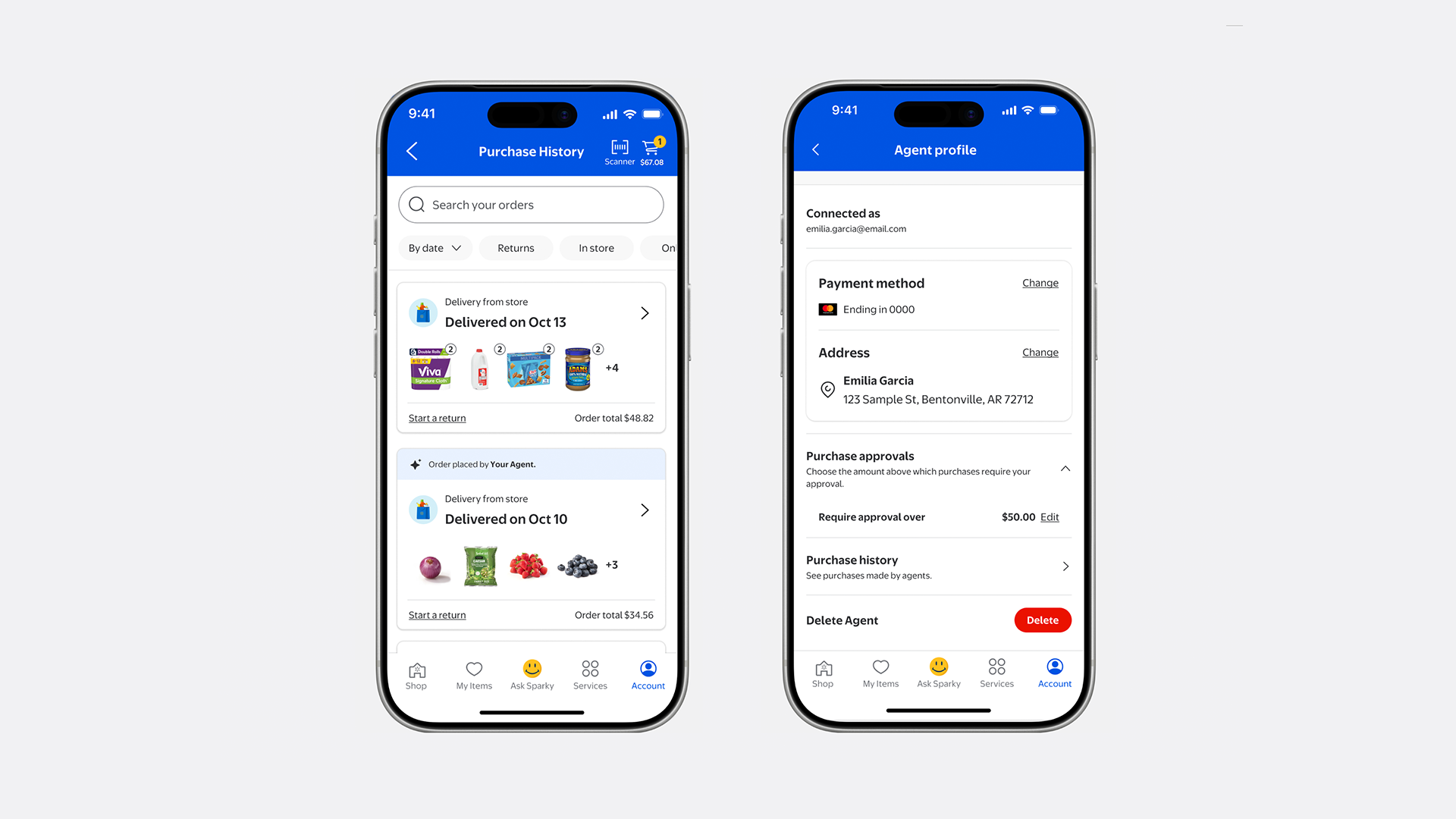
Image source: Walmart
POLICY AND ADVERTISER RIGHTS
Meta Delays New Terms as Google Clarifies Personalization Rules
Data permissions are being tested from the other side of the relationship. Reuters reports that Senator Marsha Blackburn questioned Meta’s proposed commercial terms and their potential implications for businesses and publishers. Meta postponed the terms’ effective date from October 30 to November 20, 2026, while rejecting claims that the update grants unrestricted rights to publishers’ content; it says content owners can still signal crawler preferences with robots.txt. The legal interpretation remains contested.
A 9to5Google report highlights a consequential change in Google’s October 16 privacy-policy update. Users can choose to let services such as Search or Gemini access content from Gmail, Drive or Photos. When that data is made available to another Google service that supports personalized ads, the receiving service may use it to personalize content, including advertising, subject to its policies and the user’s settings. This opt-in exception does not mean advertisers receive a person’s raw inbox, photo library or directly identifying information. Merchants should treat it as a consent and product-policy change, not an unrestricted targeting dataset.

Image source: Google
THE OPERATOR’S CLOSE
Optimize the Shelf, Govern the Bid, Keep the Trust
This week’s most actionable opportunities do not require a new dashboard. Review whether your category pages answer broad discovery questions; test bidding freedom only where there is room in the budget and margin; and use customer objections to make product and B2B pages easier to decide from. Keep creator video grounded in a demonstrable use case, and require clear customer permission wherever platforms increasingly act on behalf of buyers.
The Beecommercer Team